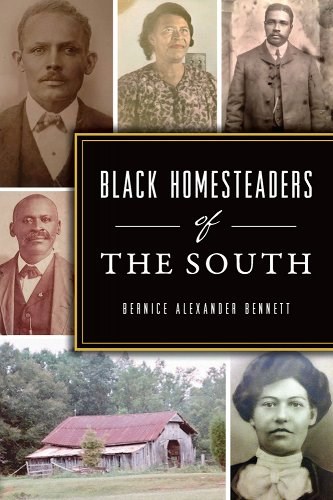
I belong to several ancestry and genealogy research groups, chats, organizations, and regularly participate in training sessions. This aids in my development as a genealogist specializing in African Diasporan family searches.
One of my favorite organizations is the Afro-American Historical and Genealogical Society, Inc., especially the metro Atlanta chapter. Here’s a sample of the great connections you are provided by AAHGS when you join the organization:
21 JUL 2024 (pictorial generated by AI)
These events are provided as a courtesy to our AAHGS Metro Atlanta members but are not the responsibility of our chapter.
Timelines for Genealogy, Dottie Baugh
Mon Jul 22nd
Presented by Charlotte County Genealogical Society
10:30am ET
All classes are free and open to the public. For a Zoom link, send an email to President@ccgsi.org
For details see www.ccgsi.org
The Homestead Act, with Ranger, Amber Kirkendall, Homestead National Historic Park
Mon Jul 22nd
Presented by Heritage Seekers Genealogy Club
7:30pm ET
Ranger, Amber Kirkendall, Homestead National Historic Park
This is a Zoom virtual meeting. To get a link to attend, you must:
– be a paid member, or
– subscribe to our email list at https://heritageseekersar.com/subscribe/ or
– follow us on Facebook at https://www.facebook.com/heritageseekersar.club
Zoom link available closer to the event – See the website!
For details see heritageseekersar.com/
Pins & Needles: Adding Social Media to Your Genealogy Repertoire
Mon Jul 22nd
Presented by Plainfield Area Public Library
8:00pm ET
Many of us have used Facebook to find distant cousins and former high school friends. Join us for a fun session on using sites like Pinterest, Flickr, Instagram and more to locate, identify and share ancestors.
This is a virtual program. Login information will be sent when you register for the program
For details see plainfieldpubliclibrary.librarymarket.com/event/virtual-pins-needles-adding-social-media-your-genealogy-repertoire-65597
Researching LGBTQ Genealogy, with Stewart Traiman
Mon Jul 22nd
Presented by Denver Public Library
8:00pm ET
Lesbian, Gay, Bisexual, Trans, and Queer folk have always been a part of our history and family stories. Our trees’ confirmed bachelor or spinster aunt may not have been single. Perhaps they did have partners but there is no legal documentation or family acknowledgment. This class will explore census, newspapers, obituaries, military records, photographs, phone books, and archives for clues on our ancestor’s sexuality. We will also explore LGBTQ History and many individual stories giving context to the available records. Discovering our LGBTQ ancestors’ stories and inviting them back into our trees will enrich our entire family history.
For details see www.denverlibrary.org/event/researching-lgbtq-genealogy
Beginning Ancestry by Scott Jones
Tue Jul 23rd
Presented by Los Angeles FamilySearch Center
2:00pm ET
What and where?
For details see churchofjesuschrist.zoom.us/j/95462341725?pwd=dmxZaWNGR1hpWVlCM1lYaHBENERLdz09#successlBSaWtyS0pwSDJxdz09%23success
Using the FamilySearch Catalog by Clark Jenkins
Tue Jul 23rd
Presented by Los Angeles FamilySearch Center
5:00pm ET
Learn how to search the entire FamilySearch database using the Catalog. This will include searching indexed and unindexed records, book titles and authors, and keyword searches. Learn how to navigate through unindexed record collections to find digitized original records.
For details see churchofjesuschrist.zoom.us/j/95462341725?pwd=dmxZaWNGR1hpWVlCM1lYaHBENERLdz09#successlBSaWtyS0pwSDJxdz09%23success
What’s the Tea in Your Family Tree?
Tue Jul 23rd
Presented by Charlotte Mecklenburg Library / West Boulevard Library
6:00pm ET
Unearth secrets, reveal truths, and explore the colorful stories hidden within your ancestral lineage.
This is a HYBRID program, so you can attend in-person at West Boulevard Library or online via Zoom.
*Registration Required* Registration begins the first day of the month.
For details see cmlibrary.bibliocommons.com/events/664e02e3e3e1ee30003fe2c7
Genealogy for Beginners: Census records and obituaries
Tue Jul 23rd
Presented by Cincinnati Public Library / Pleasant Ridge
6:30pm ET
Census records and obituaries are the most popular and easiest to find genealogical records. Learn how to search for and use these records when digging into your family history.
This event will be in person at the Pleasant Ridge Branch and also live streamed over Zoom. The Zoom link will be shared a few hours before the program starts.
Registration is required to receive the Zoom link.
For details see cincinnatilibrary.bibliocommons.com/events/65d74df01e57af280037c162
Finding and Using City Directories for Genealogy – Fourth Tuesday Genealogy Series
Tue Jul 23rd
Presented by The Erie Society for Genealogical Research
7:00pm ET
Fourth Tuesday Genealogy Series: Session is repeated via Zoom at 7 p.m. For handouts and to register for the session go to: events.erielibrary.org/ and search for genealogy.
23 Jul 2024: Finding and Using City Directories for Genealogy: Information which might be found in city and county directories. What you might be missing in these resources. Locating city directories. Hints for using city directories. Abbreviations. Other historical directories.
For details see www.genealogyerie.org/p/Calendar/event/Finding-and-Using-City-Directories-for-Genealogy-387
The Genealogist’s Google Search Methodology
Tue Jul 23rd
Presented by Louisville Genealogical Society
1:00pm ET
Presented by Lisa Louise Cooke
It’s a new decade, so if you think you know how to Google, think again! Technology changes rapidly and keeping our search skills updated and sharp is key to search success. Come learn the latest Google Search Methodology for Genealogy. You’ll hear about the latest and best search innovations and learn the process that will dramatically improve your genealogical search results. These skills can be used with all associated Google tools.
Free but REGISTRATION REQUIRED at www.kylgs.org
Genealogy Quick Start TV – LIVE with Andre Kearns
Tue Jul 23rd
Presented by Genealogy Quick Start TV
8:00pm ET
Fact or Fiction: Which assumptions are you making about your family history? In “Getting Past Your Assumptions” provide a method for understanding the truth of family-lore. Then our special guest Andre Kearns will dive deeply into the assumptions we make with 1870 census in “Emancipating the Stories of Blended Families in the 1870 Census”
JOIN Live from our YouTube Channel or Facebook Page, LIVE every other Tuesday @ 8:00 PM ET
www.youtube.com/@GenealogyQuickStart/streams
This is an interactive genealogy TV show, not a genealogy webinar. We invite you to chat, comment, and ask questions.
For details see www.facebook.com/events/1011977810605274/
Introduction to Genealogy
Tue Jul 23rd
Presented by Plano Public Library / Haggard Library
8:00pm ET
Learn the basics of common genealogical research tools and techniques.
For details see plano-cep.bc.sirsidynix.net/event/introduction-to-genealogy-2/
Latest Updates to the MyHeritage Mobile App, with Gilad Katz
Tue Jul 23rd
Presented by Legacy Family Tree Webinars
2:00pm ET
More and more, people are preferring to use their mobile devices to access their favorite software and services — and genealogists shouldn’t be left behind. MyHeritage continues to improve the genealogy-on-the-go experience from the MyHeritage mobile app, making it easier than ever to manage your family tree and conduct research from the palm of your hand. In this session, Gilad Katz, Senior Product Manager at MyHeritage, will show you the latest developments in the mobile app.
For details see familytreewebinars.com/webinar/latest-updates-to-the-myheritage-mobile-app/
Stories Behind the Stars – World War II Heroes
Tue Jul 23rd
Presented by the Cobb County Genealogical Society
7:00pm ET
CCGS Board member Loren Plisco volunteers with Stories Behind the Stars, a nonprofit organization dedicated to researching and writing the stories of over 421,000 Americans who sacrificed their lives in World War II. The stories will reside in memorials on Fold3 and will be linked to memorials on FindAGrave. This project is supported by Ancestry, Newspapers.com, Fold3, Together We Served, and other organizations. To date, hundreds of volunteers have written approximately 40,000 stories, with the ambitious goal to complete all of the stories by the end of 2025, which marks the anniversary of the end of World War II.
Register online here: us06web.zoom.us/meeting/register/tZ0sduygrTMtE9a-Tw82s-BdPUeWY60wWyiO#/registration
For details see cobbgagensoc.org/
TOTS – Tech on Tuesdays You Can Never Have Too Many Backups — Backups, Data Preservation and Back Blaze
Tue Jul 23rd
Presented by The Colorado Genealogy Society
9:00pm ET
For details see us02web.zoom.us/meeting/register/tZwsf–urjotH9Hp3pmcJZvhz6Vh5Yvs2rKt
Working with DNA Matches: Beginning to Sort Your Matches
Tue Jul 23rd
Presented by The Genealogy Center at Allen County Public Library
2:30pm ET
In this introductory session, we will learn to work with your genetic cousin matches from an autosomal DNA test. We will learn how to determine your familial relationship to your DNA matches (beginning with known relatives) and begin to sort your matches into groups based on the connecting ancestors that you share. Presented by Sara Allen.
For details see acpl.libnet.info/event/11055953
Imaging by Clark Jenkins
Wed Jul 24th
Presented by Los Angeles FamilySearch Center
5:00pm ET
How to look up images in FamilySearch?
For details see churchofjesuschrist.zoom.us/j/95462341725?pwd=dmxZaWNGR1hpWVlCM1lYaHBENERLdz09#successlBSaWtyS0pwSDJxdz09%23success
Writing Family Stories Within FamilySearch by Holly Jones
Wed Jul 24th
Presented by Los Angeles FamilySearch Center
2:00pm ET
Writing your personal and family stories.
For details see churchofjesuschrist.zoom.us/j/95462341725?pwd=dmxZaWNGR1hpWVlCM1lYaHBENERLdz09#successlBSaWtyS0pwSDJxdz09%23success
Getting Around the Missing 1890 Census, Part 1, with Sara Cochran
Wed Jul 24th
Presented by Fountaindale Public Library
12:00pm ET
Sara Cochran, the Skeleton Whisperer, will help you strategize and gather tips for success in locating your family in other records between the 1880 and 1900 Federal censuses.
The loss of the 1890 Federal census is a source of great frustration for American Genealogists, but all hope is not lost! Sara Cochran, the Skeleton Whisperer, will help you strategize and gather tips for success in locating your family in other records between the 1880 and 1900 Federal censuses. This is part one of a two-session series.
This program is available in a Zoom webinar format. A link and handout will be sent a day before the event. A reminder will be sent an hour before the event.
For details see communico.fountaindale.org/event/9545900
Periodicals for Genealogy
Wed Jul 24th
Presented by Midwest Genealogy Center at Mid-Continent Public Library
7:30pm ET
Learn how to search for and use periodicals at the Midwest Genealogy Center and other libraries, as another resource in your genealogy research. This is a beginner-level class. This class will be held in person as well as virtually via Zoom simultaneously. Registration is required and closes one hour before the start of the program. Please indicate whether you will be attending in person or virtually when registering. An email address is required when registering to attend on Zoom. All start times are Central Standard Time.
For details see www.mymcpl.org/events/98202/periodicals-genealogy-hybrid
From the Grassroots Roundtable: Preserving Places and Stories in the East Tennessee Black Community
Presented by East Tennessee History Center
12:00pm ET
Please join our esteemed panelists as they consider their contributions to the preservation of spaces and stories in their home communities, whether through ensuring the Black community’s history and family connections are shared and/or buildings themselves are saved and reused. They will also share their dreams of next steps and share insights on conducting community projects.
Pre-registration is required, both for in-person or for Zoom.
For details see www.easttnhistory.org/event/advanced-genealogy/
Preserving Family Memories: Audio Recordings
Wed Jul 24th
Presented by Dallas Public Library
3:00pm ET
The sound of a loved one’s voice = irreplaceable family memories. Learn how to digitize and preserve your audio recordings stored on cassette tapes, microcassette tapes and LPs. Hear from one of Dallas Public Library’s A/V librarians on how to edit your audio, and share your precious family memories using the Heritage Lab located on the 8th floor of the J. Erik Jonsson Central Library.
This Genealogy & History program is available both in-person at the J. Erik Jonsson Central Library, 8th floor AND online via Zoom.
Please register in advance.
For details see dallaslibrary.librarymarket.com/event/preserving-family-memories-audio-recordings-366192
African American Research Workshop
Wed Jul 24th
Presented by Oakland Family History Library
9:00 PM Eastern
This is an ongoing, free, hands-on research workshop comprised of African Americans, also referred to as Black or Afro-American, or those who harmonize with Sub-Saharan Africa, with ancestry, citizenship, or residency in the United States. The workshop is an interactive exchange of research tools, methods and systems, and discussions necessary for progress at individual levels of family histories and genealogies impacted by the 16th Century removal of Africans to America as slaves.
For a Zoom link to the virtual workshop, churchofjesuschrist.zoom.us/j/98525123399?pwd=WFptb0RWSDk5UjdHVGhtNXl3NkZadz09#success
For additional information E-Mail: pat4gene@gmail.com
or go to
www.familysearch.org/en/wiki/Oakland_California_FamilySearch_Library/Learning_Center_Descriptions#African_American_Research_Workshop
Preserving Family History
Thu Jul 25th
Presented by Lake County Public Library
2:30pm ET
Have you ever wondered how to take care of those old photographs, scrapbooks, and stories passed down from generation to generation? This session has got you covered. Join Jeremy Pekarek, Archivist at Indiana University Northwest, to learn more about best practices involving proper housing techniques, documentation, and digital materials.
For details see www.lcplin.org/event/9176704
25+ Free Genealogy Sites
Thu Jul 25th
Presented by St. Louis County Library
7:30pm ET
Explore how to access and use several free websites for your family history research.
Registration opens June1, 2024. Registration required. Participants will receive Zoom information immediately after registering.
For details see slcl.events.mylibrary.digital/event?id=96470
Ancestry.com, a Premier Website, Online Class: Great tips for finding your families, and editing photos, and using Storymaker Studio
Thu Jul 25th
Presented by Riverton Utah FamilySearch Center
9:00pm ET
Presented by R. Ray
Ancestry.com, the Premier Family History Website. Ancestry.com has partnered with FamilySearch to easily share family tree records and information. Over 60 billion records (~6 times as many as FamilySearch has) makes it easier to find your families. Over 10 billion of those records come from FamilySearch so, you will see those records too.
To attend the online classes, you will need to register. It is recommended that you review the class handouts before attending the class by viewing them online or by printing them. Handouts available at www.familysearch.org/en/wiki/Riverton_Utah_FamilySearch_Center/Online_Classes
Register at churchofjesuschrist.zoom.us/meeting/register/tJAkd-muqDgpHdbGtkUcRX5VLxKL2IzeMAJK
For details see www.familysearch.org/en/wiki/Riverton_Utah_FamilySearch_Center/Online_Classes
Facebook Workshop for Genealogists
Thu Jul 25th
Presented by Mount Vernon Genealogical Society
1:00pm ET
Instructor: Jo Pearson
Unlock the power of Facebook for your genealogy research! Learn how to create and manage a genealogy-focused Facebook page or group, best practices for posting and sharing, and how to use Facebook events to organize virtual meetups or collaborative research sessions.
TO REGISTER: Please send an email with your name and phone number, the class date and title, to Amy Breedlove at albreedlove@comcast.net
Thank you.
Once you’ve registered, a reminder email will be sent to you a few days ahead of the class with the zoom link and any handouts, etc.
For details see www.mvgenealogy.org/
How to Use Newspapers for Genealogy
Thu Jul 25th
Presented by Cuyahoga County Public Library
7:00pm ET
Tips and tricks on using newspapers in your genealogy research.
A meeting link will be emailed to registered participants approximately one hour prior to the start of the program. Staff will be available for help with connecting to Zoom and technical issues beginning 15 minutes prior to the program. You will need a device with audio and/or video and an internet connection to join.
For details see attend.cuyahogalibrary.org/event/10366070
The Why, Where, When, What and How of Lineage and Hereditary Societies, with Christine Cohen
Thu Jul 25th
Presented by Marin County Genealogical Society
10:00pm ET
Why should you join a lineage society? How do you join a lineage society? What activities do they perform? What member benefits are available? Are DNA test results a membership option?
The Genealogical Society General meetings are open to the public, with no admission fee. Feel free to drop in! Bring your friends as everyone is welcome. Come early and ask your burning genealogical questions of other members before the meeting.
The public is welcome to attend all of our virtual meetings. Contact info@maringensoc.org for more information.
Please register in advance.
For details see www.maringensoc.org/event-5756426
Genealogy in Teaching
Fri Jul 26th
Presented by CALS Central Arkansas Library System
1:00pm ET
Learn how to use genealogy databases and other resources to teach language arts, science, and math as well as social studies.
This is a hybrid event; the in-person class will take place in Meeting Room B at the Fletcher Library. Virtual attendees will access the class via Zoom.
If you wish to attend virtually, you must register to receive the Zoom link to join the class.
Please email at digital@cals.org or call 1.501.320.5724 if you have any questions.
For details see events.cals.org/event/10666775
Military Records at TSLAC
Fri Jul 26th
Presented by Texas State Library and Archives Commission
9:00am ET Find out how to locate Texas military service records at TSLAC.
The Archives and Information Services Division offers a suite of research webinar recordings on-demand throughout the year. The start date listed here is the date the webinar will be first available.
For details see www.tsl.texas.gov/arc/workshops
8 Tips for Using AI as Your Genealogy Assistant
Fri Jul 26th
Presented by Bay Area Genealogical Society
8:00pm ET
Speaker: Dana Leeds. AI can help you complete many tasks faster than you can on your own. This makes it an incredible time-saver. It can also help you get more out of the records you find. But where do you start? And what can it help you with?
This presentation will highlight eight areas where AI can be a patient and knowledgeable assistant, supporting you in both your genealogy research and daily tasks. In your genealogy work, AI can help you summarize information, extract and visualize data, write engaging family history narratives, convert handwritten documents into searchable text, and illustrate your family story. Additionally, AI can assist you with daily tasks such as tech troubleshooting, saving you valuable time. Join us and discover the various ways AI can help you be more efficient and effective in your pursuits!
For details see www.txbayareagen.org/?page_id=5
Genealogical Research & Writing: Are You a Saint, Sinner, or Bumfuzzled Soul?, with Elizabeth Shown Mills, CG, CGL (members only)
Fri Jul 26th
Presented by Legacy Family Tree Webinars
(members only) (VIRTUAL)
2:00pm ET
As researchers, family historians, compilers, bloggers, or writers of other ilk, genealogists face legal and ethical perils they often do not anticipate. This crash course offers practical guidance to enhance your skills and keep you safe as you explore history, reconstruct lives, and “write up” your findings. While the issues are serious—from the legal issue of copyright to the ethical issue of plagiarism—the lessons are taught with a light heart and humor.
For details see familytreewebinars.com/webinar/genealogical-research-writing-are-you-a-saint-sinner-or-bumfuzzled-soul/
Reeling ‘Em in with Cousin Bait: 10 Ways to Connect with Family, with Cheri Hudson Passey
Sat Jul 27th
Presented by Polk County Genealogy Speaker Series
10:00am ET
Want to connect with those who may have information about your family? Learn 10 strategies to help you connect and collaborate with family members, including creating “Cousin Bait.”
This is a hybrid virtual program. The presenter will appear virtually, but guests are invited to join us at the History Center to participate in the Zoom. For Zoom details, contact the Polk County History Center at (863) 534-4386 or ShannonGraham@polk-county.net.
For details see www.polk-county.net/events/reeling-em-in-with-cousin-bait-10-ways-to-connect-with-family-genealogy-speaker-series/
Discovering Your Ancestors – Series 1 with Janet Camarata
Sat Jul 27th
Presented by Puget Sound Genealogical Society
1:30pm ET
Genealogy is an enriching and rewarding way to discover our own families through their written records, photographs and artifacts. Tracing our ancestral roots expands our understanding of history and how they lived in earlier generations. The individual pieces of the family jigsaw puzzle consists of vital records, censuses, land records, immigration, naturalization, military records, church histories, taxes, court and courthouse records, DNA and much more. The tools and techniques used by genealogists today are extensive and include the Internet, specific genealogy programs and websites, i.e. Ancestry and FamilySearch. Learn in a computer environment the resources available online and off-line to investigate the various jigsaw puzzle pieces that document your ancestors’ lives.
This class will focus on Strategic Searching, Sources & Citations, Cemetery Research.
This will be a hybrid class with in person at the Sylvan Way Library and on Zoom. The Zoom link will be posted on our website an our Facebook page on July 26.
For details see www.psgsociety.org
How to Read Old Handwriting, with Lisa Lisson
Sat Jul 27th
Presented by Capital District Genealogical Society
1:00pm ET
Struggling to read those old historical documents? Gain invaluable insights and practical strategies for deciphering your ancestors’ records, allowing you to uncover hidden stories and connect with your heritage in ways you never thought possible. From understanding the evolution of handwriting styles to employing innovative techniques for enhancing legibility, this talk promises to equip you with the skills and confidence needed to navigate the rich tapestry of your family’s history. Don’t miss this opportunity to sharpen your genealogical prowess and forge deeper connections with your roots!
Non-members may register starting on the 16th of the month (space permitting). Non-Members must create a free CDGS account before they can register. You only need to create an account once, as you can login to that account to register for future presentations.
For details see www.capitaldistrictgenealogicalsociety.org/
FamilySearch Overview – Everything You Don’t Know But Should
Sat Jul 27th
Presented by San Mateo County Genealogical Society
1:30pm ET
FamilySearch has done a lot of improvements and changes over the past few years. Did you know you can get free consultations from them now? Do you know where to look for the latest catalog information? Have checked out the maps of what cemeteries your relatives are in? Come listen to an overview of what FamilySearch has changed lately and how you can use it to make sure you get the most out of FamilySearch. You can learn about the community groups and guided research all now available on FamilySearch. Join Pamela Brigham for this presentation on FamilySearch.
Please register in advance
For details see www.smcgs.org/
Join the International Genealogical Community with Year-Round RootsTech, with James Tanner
Sun Jul 28th
Presented by BYU Library / Family History Sunday Classes
5:30pm ET
The BYU Family History Library presents virtual Sunday classes for anyone interested in family history! Classes are free and everyone is welcome.
No registration required. Click the link “Join Live Class” at the URL below, where you’ll also find the upcoming class calendar, as well as their library of previously recorded virtual classes. All free!
The Zoom link for Sunday Classes at the scheduled time is
https://byu.zoom.us/j/97185943513?pwd=IgbedZiLURYMxnPxlkWolxQNK6iEGd.1
For details see https://familyhistory.lib.byu.edu/learning/webinars
—
“Discovering Our Ancestors, Our History and Ourselves-TOGETHER”
Afro-American Historical and Genealogical Society, Inc.
Metro- Atlanta Chapter
www.aahgsatl.org
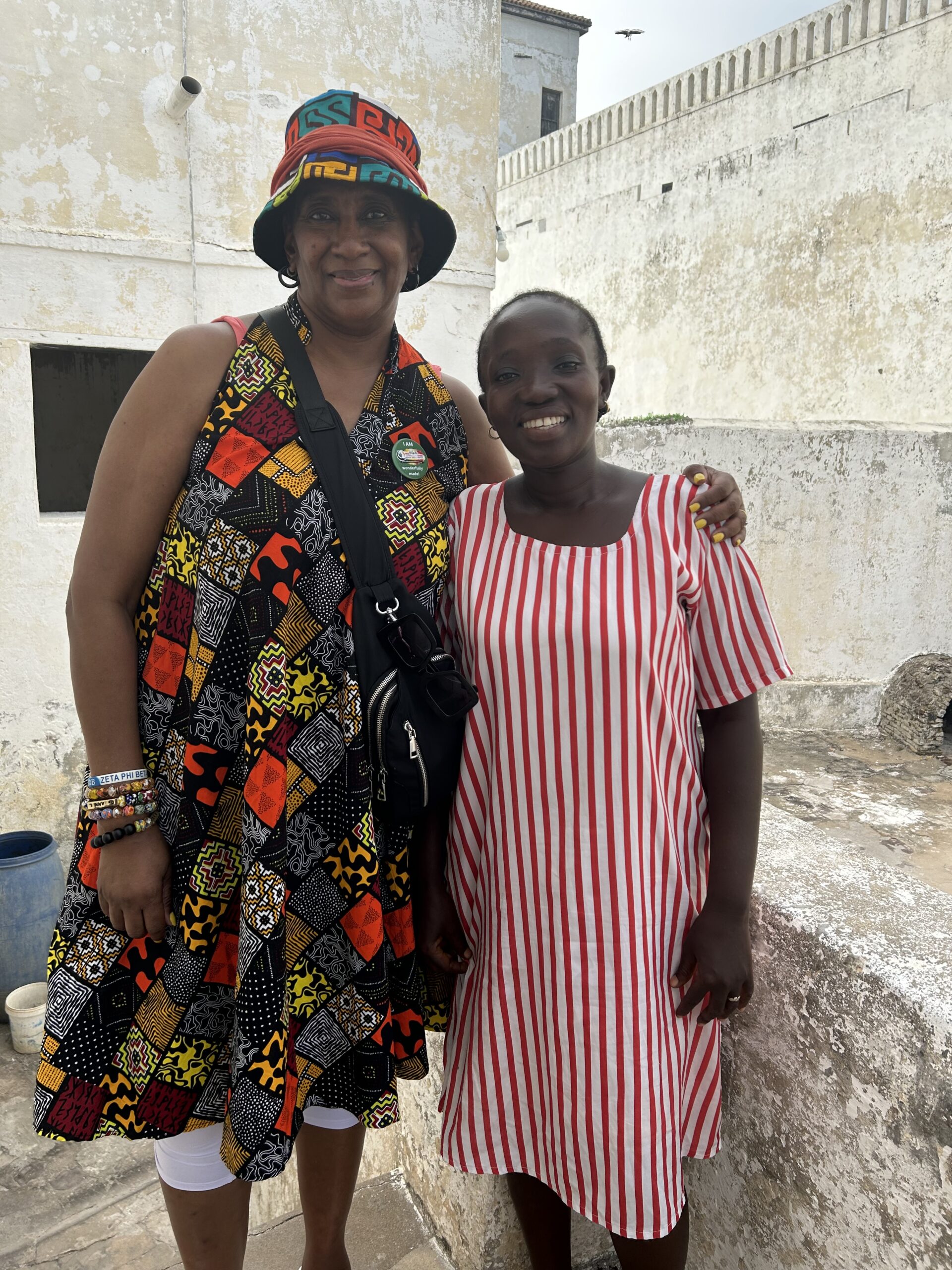



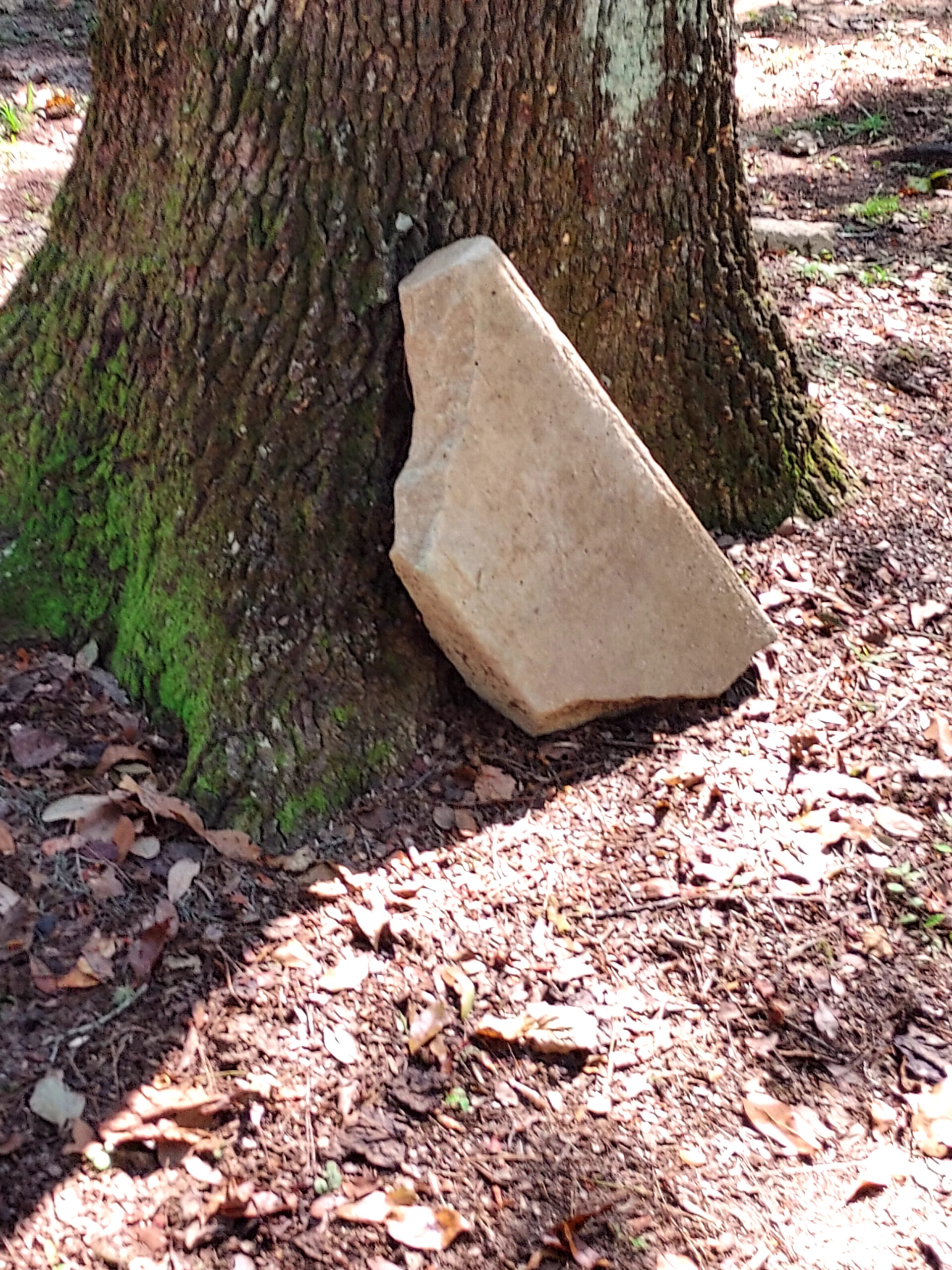

 Many family members who transitioned before Aunt Beverly had humble grave markers that were reminiscent of the enslaved grave markers of rocks or humble engravings on stone.