Category: Family tree

  • A Brush with History: My 1977 Encounter with Alex Haley

    A Brush with History: My 1977 Encounter with Alex Haley

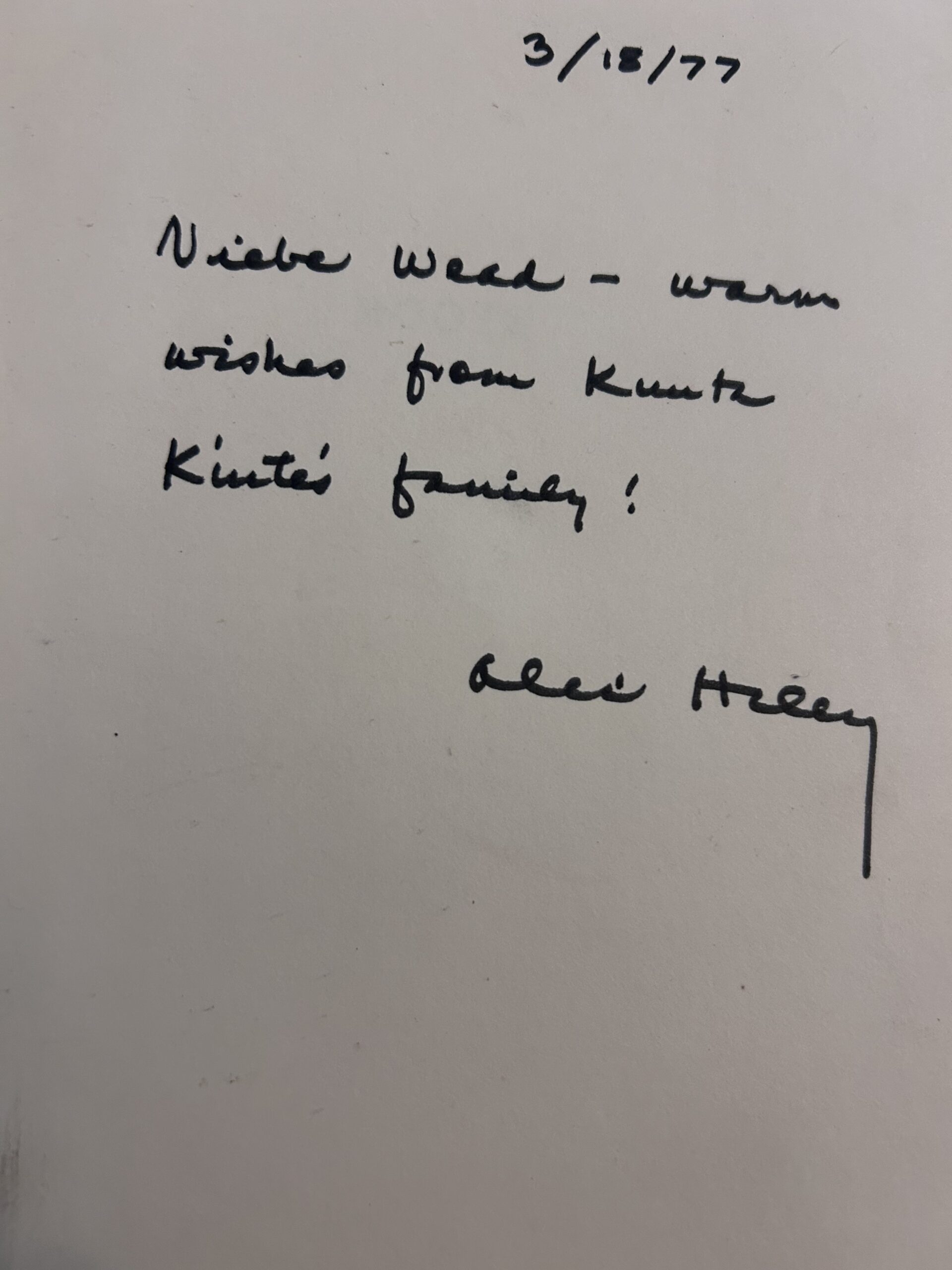
    It was pure serendipity. In 1977, while I was a sophomore at Clark College (now Clark Atlanta University) in Atlanta, I obtained a cherished autograph from a U.S. Coast Guard veteran turned legendary journalist and author: Alex Haley, the man who penned Roots: The Saga of an American Family. 
    Autograph from Alex Haley
    Handwritten note from Alex Haley to Nieve Wead

    My middle name, Lineve, was shortened into the nickname “Nieve,” which is how Haley addressed me in his note. Just a month after our encounter, he received a Pulitzer Prize, earning a special citation for Roots as “the story of a Black family from its origins in Africa through seven generations to the present day in America.”
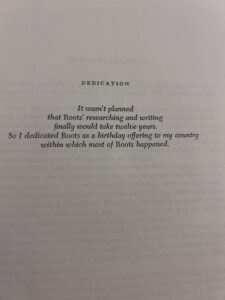
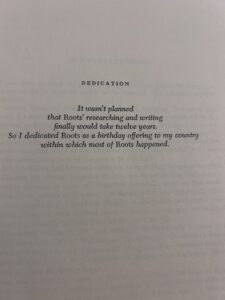
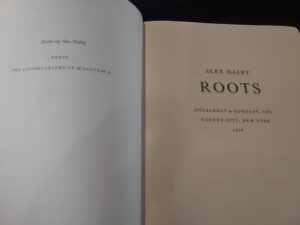
    Roots title pageROOTS

    The Phenomenon of Roots

    Today, there are few people who haven’t heard of, read, or watched Haley’s deeply moving masterpiece. Released in 1976, Roots spent a staggering 46 weeks on the New York Times Bestseller list.

    The novel chronicled the life of Kunta Kinte, an 18th-century Mandinka man captured in his West African homeland and trafficked to North America. From there, it took readers through the painful, violent, yet remarkably resilient lives of Kunta Kinte’s descendants in the United States. What made the book so revolutionary at the time was the revelation that these descendants included Haley himself.

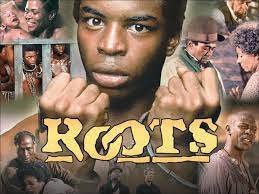
    Haley was a prolific researcher and writer. His massive literary success didn’t stop with the original book and its groundbreaking initial television adaptation with the Roots Miniseries that aired in January 1977.  For eight consecutive nights in my dormitory, Merner Hall, on Clark College’s campus, we were tuned into the impactful video story of our new champion family. I recall how I vowed to follow Alex Haley’s path in locating my long-lost family in Africa and other places around the world. The final chapters of his story were later adapted into the 1979 TV miniseries, Roots: The Next Generations.
    Inspiration Amid Controversy

    Like thousands of people around the world, I was instantly inspired to research my own African American genealogy. However, the book’s massive success also brought intense scrutiny. A highly regarded historian challenged Haley’s findings, claiming he could not have located the exact village where Kunta Kinte was born. In response to the widespread criticism, Haley gracefully defended his work by reminding the public that he had written a “factional” or “historical novel”—a blend of deep historical research and narrative storytelling.

    Looking back, the lessons I learned from that moment as a college student were numerous:

    • Respect the Grind: Always respect and give credence to the grueling, lengthy work of genealogical researchers, writers, and producers.
    • Trust, but Verify: This is always the order of the day for genealogists, especially those of us engaged in African Diaspora research.
    • Context Matters: The timing of Roots was incredibly noteworthy, arriving just as Jimmy Carter was inaugurated as U.S. President in January 1977, a time of profound national reflection.
    • Endless Stories: There are millions of stories waiting to be uncovered that allow us to accurately piece together our African Diaspora ancestry.

    My 30-Year Nudge

    Pictured below is my original copy of Roots. As you can see, I simply wore it out from reading and re-reading it so many times.

    While Alex Haley gave me the inspiration to vigorously research my family’s roots back in 1976, it ultimately took me 30 years to act on that great nudge. Today, I can proudly boast several hundred newly discovered family members on our family tree. My family tree now stretches back 13 generations across both my maternal and paternal sides, tracing our lines through Switzerland, Africa, Ireland, Germany, Missouri, Mississippi, Georgia, Virginia, North Carolina, and beyond.

    The journey takes time—but the reward is looking history right in the face.
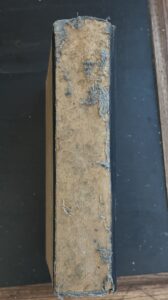
    My worn off book binding from the Roots book

  • Unlocking My Family’s Mystery: Discovering the True Identity of Harvey – A Personal Journey

    Unlocking My Family’s Mystery: Discovering the True Identity of Harvey – A Personal Journey

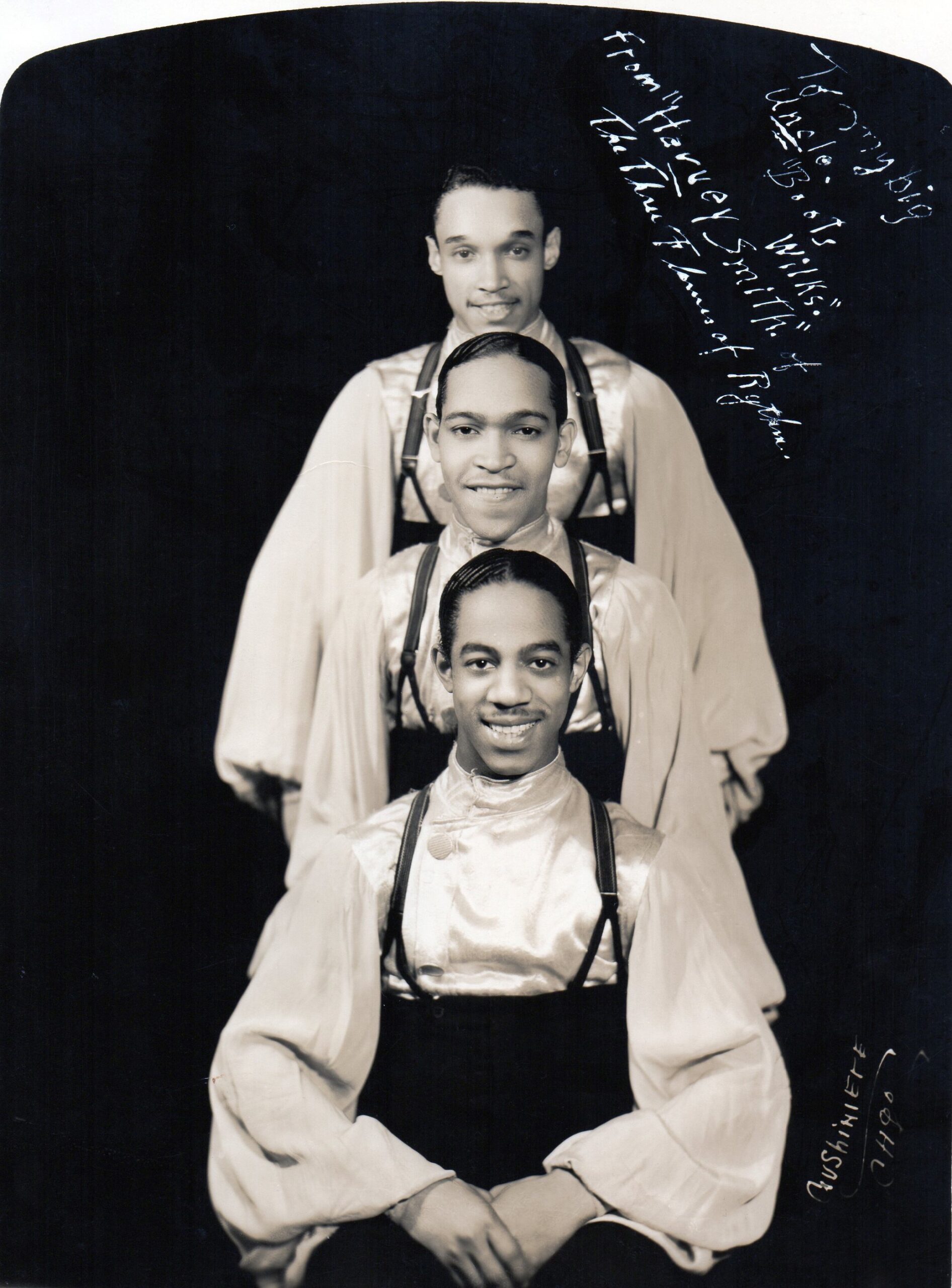
    Sometimes our ancestry searches yield updated and unexpected and even more mysterious results. Just last week, I was checking out a great uncle who I thought was named Harvey Robinson or Wilks. His draft card says differently. The one factor that I got right — and so did my fellow family ancestry researchers — is that my maternal great-grandmother, Edna Robinson, was his mother. Research upshot: Keep reviewing existing records!
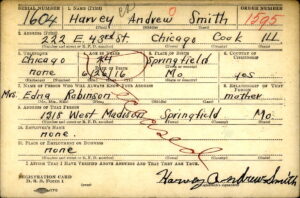
    For years, I along with my fellow family researchers believed that Uncle Harvey’s last name was Wilks or Robinson or lately, it could have been Dotray. Absent his birth certtificate, the draft card became the ultimate verifier! Woo hoo!

    #Blackgenealogysurprises #Sayhisname #HarveyAndrewSmith #Blackentertainersin1940s #SpringfieldMissouriBlacksinOzarks

    Family tree with branches Discovering the truth about my family’s past has always been a fascination of mine. I spent countless hours digging through old photo albums, documents, and listening intently to my grandparents’ stories. But there was one mystery that never seemed to have an answer – the real name of my maternal great uncle, Harvey. Growing up, I only knew him as Uncle Harry. f you, like me, are fascinated by your family’s past, this post is for you. It is a testament to the power of curiosity and determination in unraveling mysteries, no matter how big or small. It is a reminder that our family histories are rich and vibrant, waiting to be explored and celebrated. So join me on this journey to unveil the truth behind my Uncle Harvey’s real name, and discover the value it brings to our lives. Who knows, it may inspire you to start your own search for hidden family secrets.

  • Uncover Hidden Family Stories: Search ‘The Black Dispatch’ Newspaper Now!

    Uncover Hidden Family Stories: Search ‘The Black Dispatch’ Newspaper Now!

    The Black Dispatch newspaper's "Churches" section front page tribute from Mast children to their fath
    The Mast family children pay tribute to their mother and father on June 19, 1948

    Remember to search newspapers – The Black Dispatch – for family stories Are you searching for a new and exciting way to connect with your family’s past? Look no further than the archives of The Black Dispatch, an acclaimed newspaper that has been capturing and documenting the stories of African American communities for over a century. Founded in 1915 by civil rights activist and journalist Roscoe Dungee, The Black Dispatch quickly became a pillar of the Black press, serving as a source of news and information for African Americans across the United States. Since then, it has been covering important local, national, and international events that have shaped the Black experience. The Black Dispatch is important to our African Diasporan genealogy research:

    • Rich in history: The newspaper has been a vital part of Black history, chronicling important events such as the Civil Rights Movement, the Great Migration, and the election of the first African American president.
    • Uncovering untold stories: The Black Dispatch regularly featured articles and obituaries about ordinary people in the community, giving valuable insight into the lives of your ancestors.
    • Community-focused: Unlike mainstream newspapers, The Black Dispatch focused on issues and events that were relevant to the Black community, providing a unique perspective on historical events.
    • Rare photographs and advertisements: Along with news articles, The Black Dispatch also featured rare photographs and advertisements, giving you a glimpse into the everyday life of your ancestors.

    With its extensive coverage and rich historical value, The Black Dispatch offers a unique opportunity to uncover and preserve your family’s stories.

  • How To Tips for Solving the ‘Two Names, One Date: The Genealogy Puzzle of Slaveholders and the Enslaved’ (Part 2)

    In earlier blogs, I shared the fairly typical challenge of separating ancestors with the same names. That is, in the case that I provided, the ancestors shared the same/similar names, birthdates and birth locations.  See below:

    Frame the research question

    Similar to planning an event, the first step in achieving desired, accurate results in ancestry and genealogy research, is to know thy primary question that requires the ultimate answer. In this case, my primary questions are:

    •  Are there two distinct individuals named Simeon Simpson born ~1833 in North Carolina—one enslaver’s son (white) and one enslaved/freed?
    • If so, — and if so, how are they distinguished and are they biologically related?

                    Working hypotheses:

      1. Two different men, same name/year, same county.

      2. Same county, hidden kinship — is the one son the product of the enslaver or enslaver’s male relative?  Who is the biological father?

      3. Different counties/communities—name coincidence only.


    Create a research log (spreadsheet) with columns: Record, Repository/URL, Jurisdiction, Date of Record, Reported Age, Implied Birth Yr, Race/Status, Household/Associates, Notes, Citation.

    Summary of my review and verification

    First, I completed another name and variant searches for Simeon/Simon/Sion/Simons + Simpson/Simson/Sampson/Sambson. Why?

    The early Census takers were U.S. Marshals and their contractors. They, along with ministers and clerks, wrote what they heard and not what was correct. There are also regional accents that caused names to be spoken that usually sounded differently in other areas.

    Also, the post-Civil War/Reconstruction period showed many deliberate name changes. The same is true during and after the Great Migration.

    • Phonetic spelling: Census takers, ministers, or clerks wrote what they heard, not what was “correct.”

    • Low literacy: Many ancestors could not spell their own names consistently, so others wrote it down for them.

    • Regional accents: A name spoken in one county or state might sound different elsewhere.

    • Deliberate changes: Some families altered spellings after migration or emancipation.The

    • Phonetic spelling: Census takers, ministers, or clerks wrote what they heard, not what was “correct.”

    • Low literacy: Many ancestors could not spell their own names consistently, so others wrote it down for them.

    • Regional accents: A name spoken in one county or state might sound different elsewhere.

    • Deliberate changes: Some families altered spellings after migration or emancipation.

    • Pull 1850 & 1860 population schedules for all white Simeon Simpson candidates; build Track A timeline.

    • Identify Simpson slaveholding households in 1850 & 1860 slave schedules; list enslaved males with ages 14 & 24 (±2) to match 1836/1842…1833 birth window.

    • Request probate/estate packets for those Simpson slaveholders; extract any enslaved “Simeon.”

    • Search Freedmen’s Bureau labor contracts in that county for Simeon attached to a Simpson employer.

    • Search Freedmen’s Bank for Simeon (Simpson) with NC birthplace; capture kin/former owner details.

    • Pull 1866 Cohabitation register for the county; look for Simeon and partner; note former owner.

    • Locate 1870 census entries for Black/Mulatto Simeon (Simpson/variants) in same county; map neighbors (FAN).

    • Check USCT and Confederate military files for men named Simeon/Simon Simpson b. ~1833 NC; note physical descriptions and next of kin.

    • Build the comparison table and update as you add records; highlight evidence of intersection or separation.

  • Discovering Your Family’s Roots: Mastering the Art of Interviewing Relatives for Family Ancestry Stories

    Discovering Your Family’s Roots: Mastering the Art of Interviewing Relatives for Family Ancestry Stories

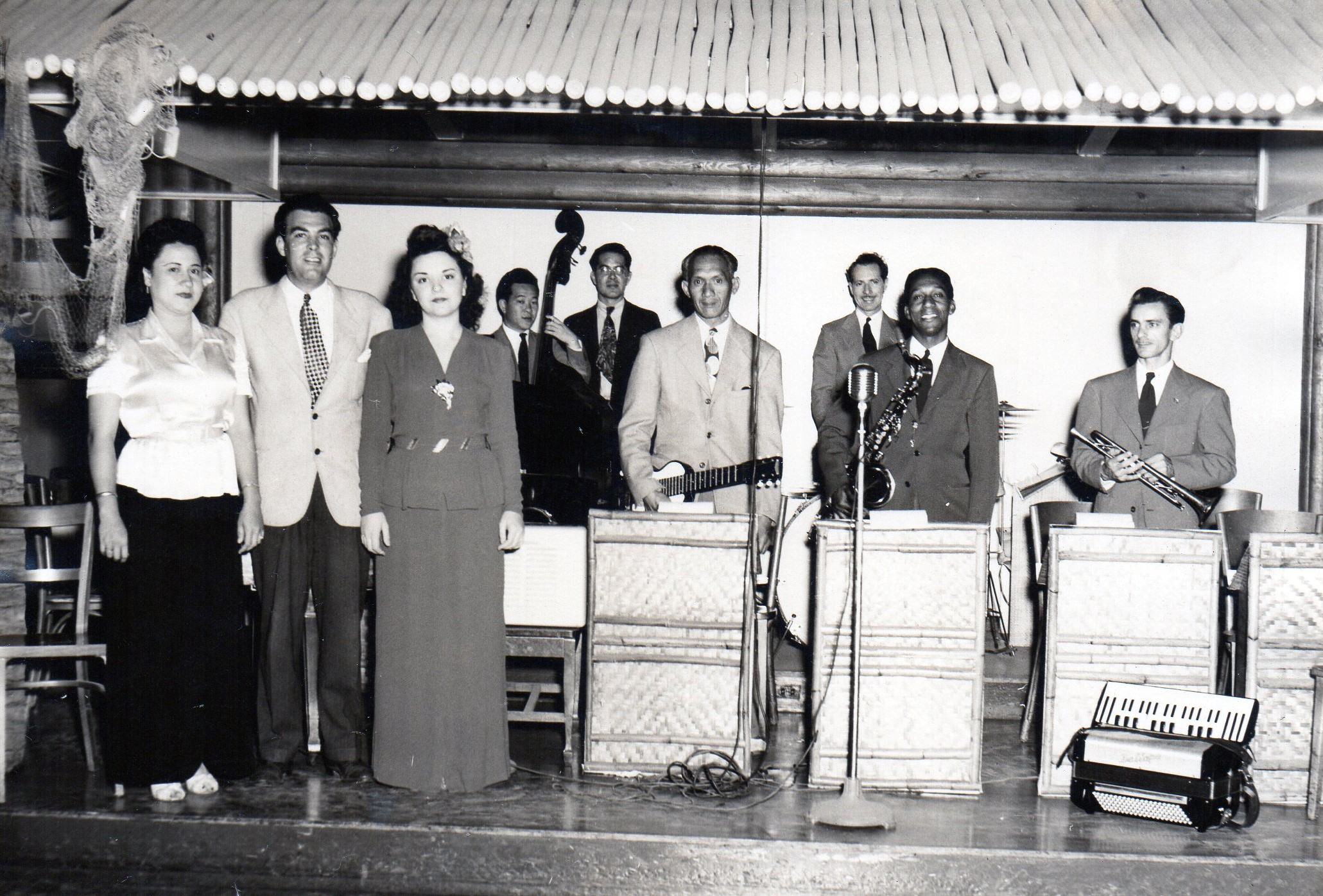
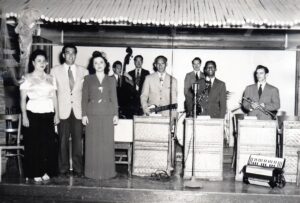
    Uncle Ernest Wilks
    Army Vet and Maternal Great Uncle Ernest Wilks (second right) and his band in Hawaii

    Gotta love the family stories!

    I’ve interviewed CEOs, community activists, a future U.S. Supreme Court justice, and lots of individuals who were skeptical of media members. It’s an art and a science to prepare for such sessions with individuals who are new acquaintances willing to share parts of their life stories to public audiences.

    Yet, no academic and OJT prepared me for asking personal questions of relatives to learn more about our family.

    “How did you and grandpa meet?” “What was it like to grow up in the Delta of Arkansas and witness the bloody riots in the early 1900s?” “Who are you named for?” “Did you really beat up a woman who knew your husband?” “Why didn’t you ever learn to drive?” “How did you celebrate Christmas when you were a child?”

    Maternal great-grandmother Edna Wilks Robinson
    Maternal great-grandmother Edna Robinson

    Those are just a small sample of questions that I posed to my various family members. Their answers helped to connect the dots for me as I sought to uncover my family’s history. Like other African American families, our stories are mostly spotty and tough to easily put together. That’s why getting as much information from your relatives is imperative to completing your legacy findings.

    The art of the interviews

    The holidays and other special days are great times to listen to the conversations among family members. That’s the first tip: listen to what is being said and not said among your family member.

    Next, build upon the unanswered questions and ask questions. You may not get the answers you are seeking, yet you will get information, great stories, and usually surprises. Be as prepared as you able to be to receive unexpected surprise information. It helps if you can capture an audio recording. Some relatives, especially the older ones, are not as adverse to taped recordings as I once believed. They are actually the best ones to interview about family stories. Remember that great interviews are complimented by photographs. Take a lot of pictures that feature faces.

    Remember to be patient and expect to complete interviews over a span of time. It could be two days or even two years to gather the information you are seeking from family members.

    Pro tips

    • Prepare Thoughtful Questions
      Try to avoid the obvious awkward questions for starters.  Prepare open-ended questions to encourage storytelling. Ask about childhood memories, family traditions, and historical events they witnessed.
    • Find a Comfortable Setting
      Family stories often flow best in a relaxed environment.
    • You have to be a Great, Active Listener
      While you may have specific topics you want to cover, allow the conversation to naturally flow. Try to avoid interrupting unless necessary.
    • How to Handle Sensitive Topics
      Be mindful of how difficult, even painful that family experiences could be for your loved one. Acknowledge their feelings, respect their boundaries, and take a break.

    Preserving cultural and emotional history

    No matter what happens as you gather family stories, remember that you are recording precious history that perhaps no one will gather. You are preserving and documenting these stories, and thereby help your future generations.

    Contact me before or after you interview your relatives. Between my lived experiences and pro tips, I am here to help @weadwriteawayandgenealogy@gmail.com.


  • How to name your family tree

    My ancestry.com family tree is appropriately named: “Bartee Douthy Duncan Fisher Kimbrough Owen Parker Shaw Thompson Wead Weed Wilks Wilkes Family Tree.”

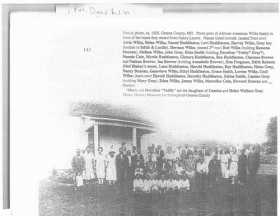
    Below is a photo of the Wilkes family and friends in front of their home in Springfield, Missouri. It is estimated that this photo was taken in 1925.


    To gain the best results from building your family tree on any ancestry website, list the top surnames. As you build your family tree, remember the surnames and always use the maiden names of your female ancestors in genealogy searches.

    In my early years of researching my family, I included my female ancestors’ married names in family genealogy searches. It limited my information collection. Now that I have replaced the married names with maiden names, the family searches are much more successful.

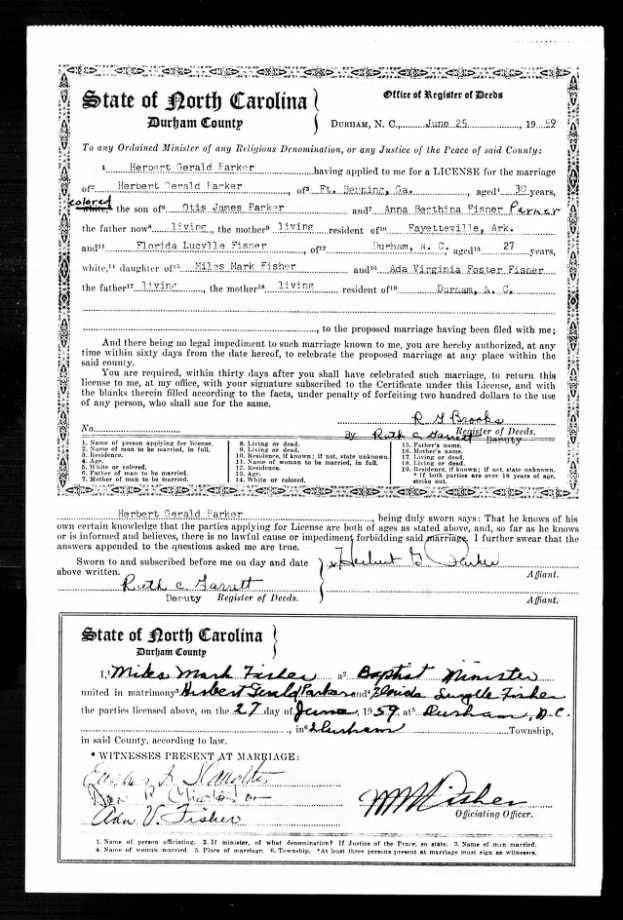
    How do you find the maiden names? Check marriage certificates and licenses, marriage announcements and bonds for the correct maiden names of relatives. For instance, as shown below, I located the maiden name of Florida L. Fisher on the marriage license certifying the union with our cousin, Herbert Gerald Parker.


    If marriage documents are tough to find, ask your oldest family members to help remember the maiden names. When I used my maternal Great- Great-Grandmother’s Melissa C. Gray Wilkes’ maiden name, I easily located her parents and her grandparents. The Gray surname was the key to finding her parents, grandparents and siblings.

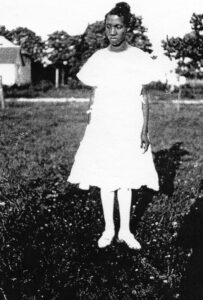
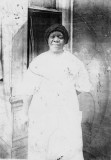
    Great-Great-Grandmother Melissa Gray Wilkes (1871 – 1934) is viewed below:


    Happy family searches. Build your family trees with maiden names linked to the strong surnames.

  • HoHo Helpful hints for family tree

    It’s Freebie Friday!


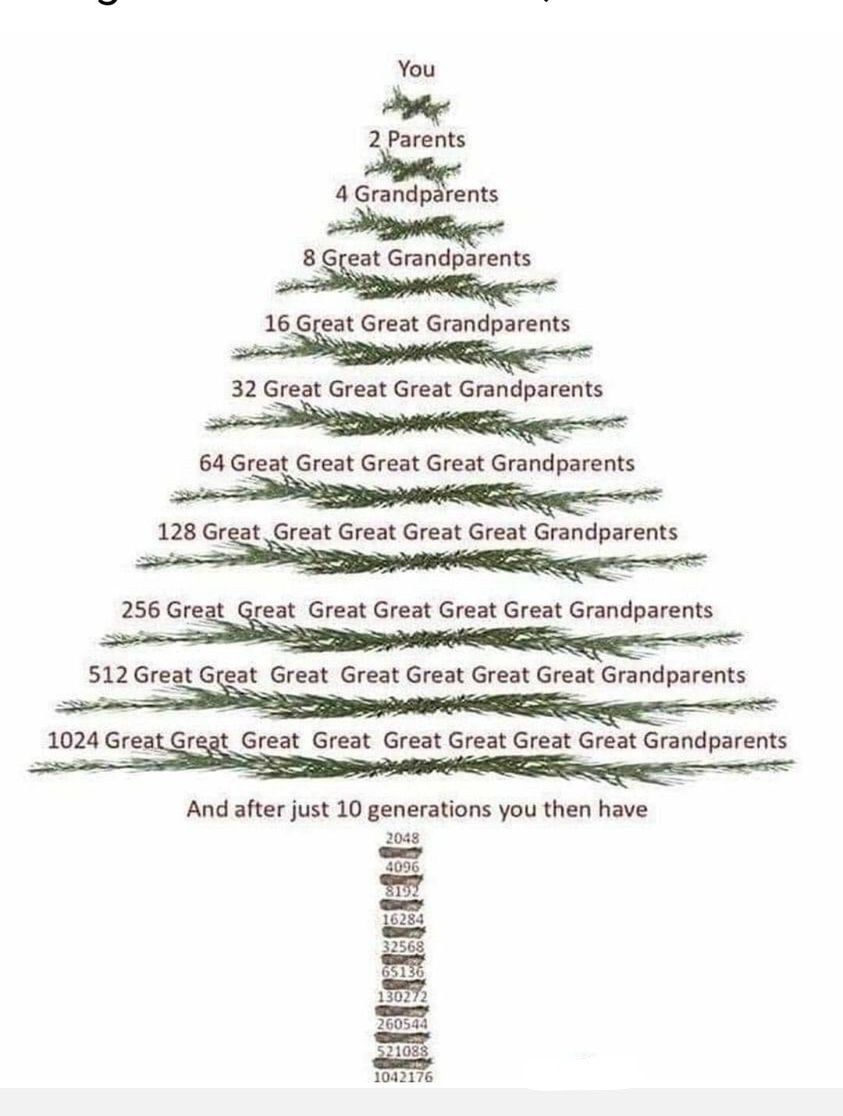
    For many of us, it is a challenge to learn of our grandparents and their parents. Think about the challenge of locating 10 generations of grandparents, or stated another way, your great, great, great, great, great, great, great, great grandparents!

    While the Good Genes Genealogy cousins are only halfway there with our maternal grandparents, we, like you, will keep trying to reach the 10th generation of relatives.

    Notice the fourth and fifth great-grandfathers. The fourth great-grandfather fought a battle in Georgia during the Revolutionary War to keep the British invasion at bay.

    Here’s some solid advice from us and colleagues who are genealogy buffs:

    • Decide on your purpose for your family tree. Some prefer to build family tree to only link direct lineage. Others build trees for family history purposes. Both types of family trees are valuable.
    • Now begin with yourself to begin your family tree, hence the top of the Christmas tree shaped family tree that is displayed in this blog.
    • Fill in as much as you know about your grandparents and their parents, if possible.
    • Use death and birth certificates, if available, to verify each grandparents’ parents.
    • DNA results remain a huge help in filling in the names of grandparents, siblings, cousins and other relatives.
    • Do not ignore individuals that keep appearing on your ancestry lines that do not appear to be blood relatives. Their records are equally important to locate ancestors as those “nonblood” individuals may share other family relationships.
    • If grandparents have been married more than once, you have the choice to add each marriage, or directly link your blood lines to the married grandparents. It’s tricky, yet family tree-building technology is now allowing for some flexibility.
    • Build in lots of genealogy research time to achieve whatever goals you have for building family trees this holiday season.

    Have fun, relax, share memories and ask great questions of your relatives to build your tree.

    Happy Holidays!