Third class in series: Saturday, Feb. 19, 2022
10 – 11 a.m.
Read Rev. Sandy Rodgers‘ tribute in honor of our ancestor! Congrats to all class members who are willingly expressing their appreciation to our ancestors by producing creative works today.

Third class in series: Saturday, Feb. 19, 2022
10 – 11 a.m.
Read Rev. Sandy Rodgers‘ tribute in honor of our ancestor! Congrats to all class members who are willingly expressing their appreciation to our ancestors by producing creative works today.


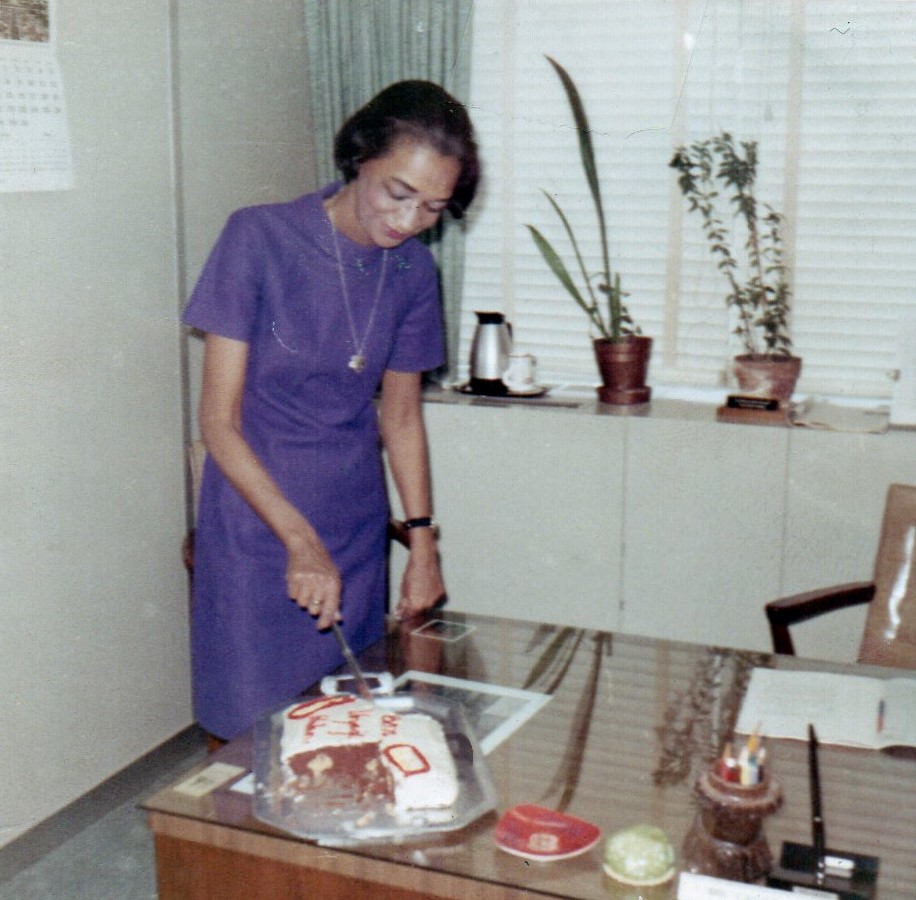
To summarize my maternal grandmother’s life: She did the most.
In the winter months during 1963, my Maternal Grandmother, Helen Mary Wilkes (and also spelled Wilks), was donning a thinly clad garment and acting in the Greek tragedy, “Antigone.” That in of itself is nothing spectacular.
That is, except that “Mama Helen” (as were told by her to call her), in 1963 was also a mother of adult children and a high school student while working as an unnamed “Hidden Figure” at the Strategic Air Command Headquarters, Offutt Air Force Base in nearby Bellevue, Nebraska. She was not supposed to be a “brain” at Offutt where she worked as administrative assistant to the scientists. She was actually an astute mathematician with an amazing intellect with exemplary secretarial skills.
Mama Helen was not supposed to be on the theatre stage at her age, 45, in a supporting role to help build her acting repertoire. She was not supposed to understand the Greek language and read Latin. She was not supposed to be old enough to be the mother of the play’s director. After all, she was a black woman who should have been content to remain hidden as a white-collar worker albeit with tremendous skills outside of the workplace. I often traveled with her from North Omaha to theatres around the city and developed my love for Latin, global travels and writing.
Thankfully, Mama Helen was never content being confined to what the so-called societal norms were in Omaha and across the nation. She would always tell me about her travels around the world. She was the super volunteer for the Presbyterian Church (U.S.A.). She played the organs at various churches on Sunday, often for no pay as she considered it her tithe to the church and unto God. Monies were stretched in the household, according to my mother, Angeline Cecil Owen Wead, the oldest of six children born in five years to Mama Helen and Grandpa Eugene Owen, II. Mama Helen was mostly the single parent in their household as my grandfather was off to build his hopes of a Hollywood career as a dancer and singer.
Thankfully, the village that was led by our Great-Grandmother Edna Lou Wilks Robinson, worked. Mama Helen received significant assistance from Grandmother Robinson.
In later years, Mama Helen was voted into the prestigious Omaha Central High School Hall of Fame. In this tribute to Mama Helen when she was inducted in the Hall of Fame that also honors Warren and Susie Buffett, my Dad, Dr. Rodney S. Wead, countless athletic, political, academic, world leaders and more, Mama Helen was remembered:
“Helen loved music and the arts and volunteered with Opera Omaha, Omaha Community Playhouse, Center Stage, and Chanticleer Theater. She served on the Nebraska Arts Council and Omaha’s Human Relations Board.
Helen passed away in 2008 at the age of 90.”
Upon Mama Helen’s retirement, she devoted her time to a program that she earlier developed to help single women develop skills to become secretaries, assistants and other related jobs inside of offices. She conducted the classes at a local community center.

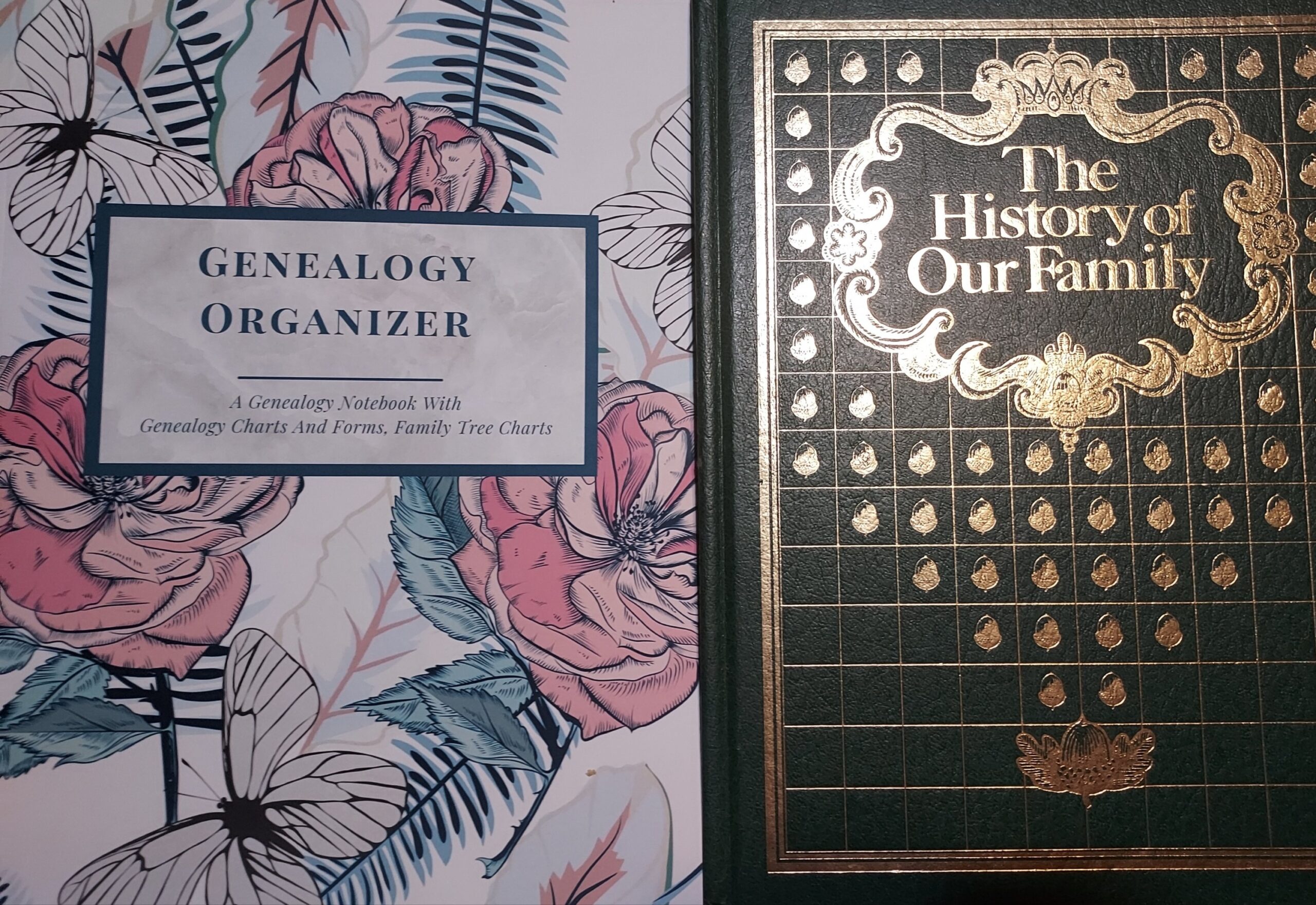
There are many electronic helpers to keep us organized and efficient in our generational family tree building.
I utilize about 6 different electronic research sites to initiate and maintain records about loved ones who have transitioned a those of us still on earth.
I also love the preservation of records and my handwriting in books creates a special record for future generations to hopefully cherish, evaluate and aid in the ease of family research.
Keeping handwritten records is also a great defense against others invading your family trees with inaccurate information. The family tree invasion is more commonplace today and new restrictions are being established to maintain privacy and integrity of the research.
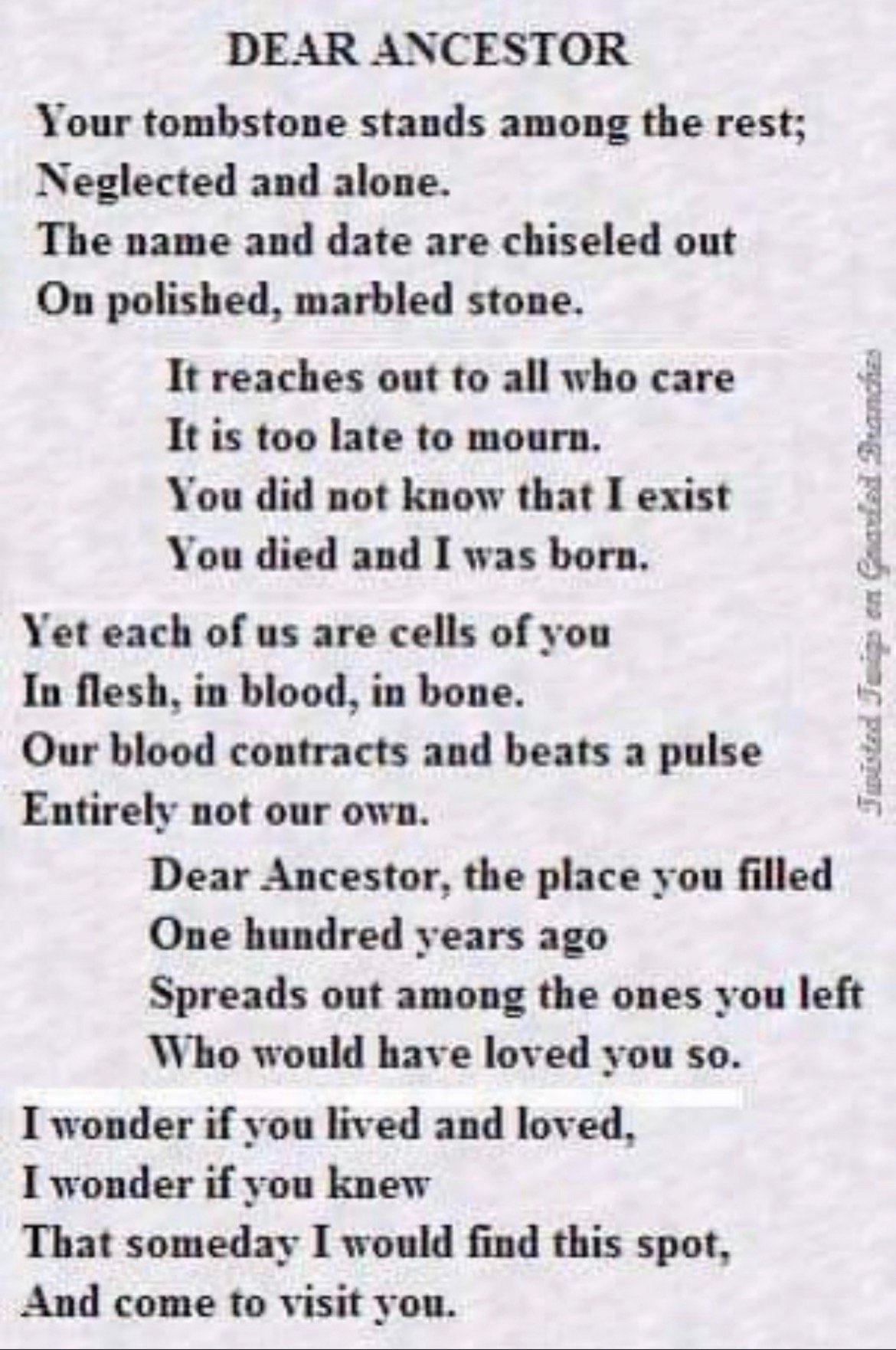
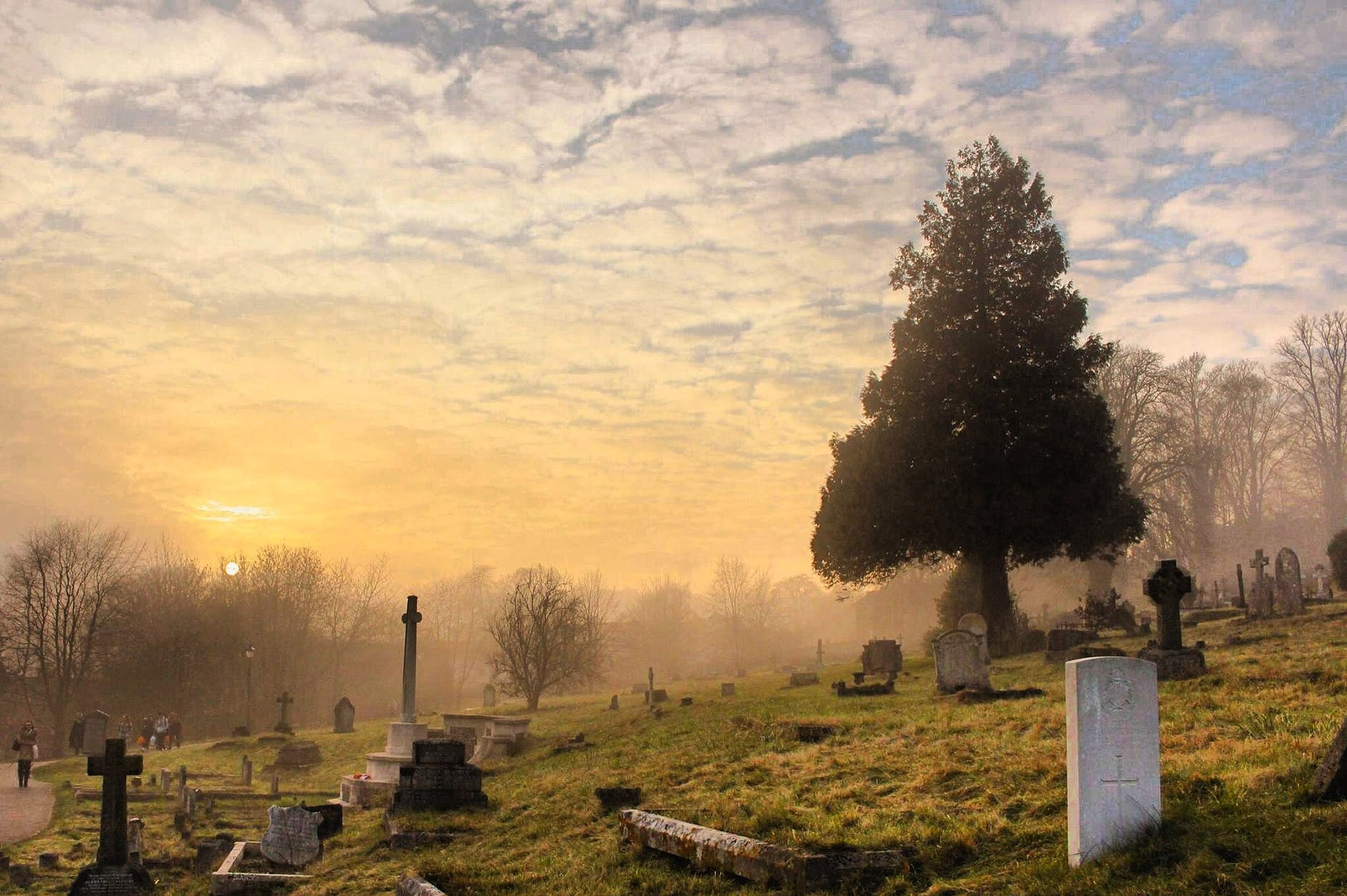
Tombstone tribute
What is your special tribute?
Write a poem or proclamation or any tribute to present in honor of ancestors.
Next, post it!

About 12 years ago, I received important advice from an Arkansas special collections librarian. She asked me to share my paternal family’s history as I discovered it — bit by bit.
I recall telling her that I did not have much to report on my grandfather, Samuel Luster Weed (now Wead), and his family who lived in Helena, Arkansas during the bloody summer of 1919 in the Delta region. She said, “even if you have one page to share, share it.” This librarian was responsible for my brick wall breakthrough as she found Big PaPa Wead. I am forever grateful.

I did. By sharing, a one-page document, I learned that too few documents are shared with family, libraries, museums and other entities. Today, Rhonda Stewart, is the Genealogy & Local History Specialist at Central Arkansas Library System. I am sure that she is still encouraging her library patrons — whether virtual or in-person — to share their stories.
Start where you are. That is the straight-forward message I received from Rhonda. It applies to new and seasoned genealogy and family ancestry researchers.
Thank you, Rhonda.
I have been repeating that refrain since then. I will repeat it again soon during the annual Sankofa Genealogy monthlong celebrations hosted by Atlanta, Ga.’s Hillside International Truth Center. During our Saturday Sankofa Genealogy workshops, our emphasis is to encourage participants to show their work. Do as Rhonda wisely advised me, share their stories. As the Ghanian Sankofa bird teaches us, reach back to retrieve what is lost while moving forward as its body shows.

Start where you are.
I recently received an email prompt from the TV network, NBC. It showcased a story about a lady who “struck” black family genealogy gold by linking her family’s past to that of Abolitionist Harriet Tubman. Another NBC story that aired a year ago was also a great bright light. It featured a boy dressed up like his favorite news anchor who became an ancestor. It is an example of starting where you are. I am sure that Rhonda is proud. I am.
February is the perfect month to journey with our ancestors. For the second year, Good Genes Genealogy Services LLC, will offer a series of Saturday morning, live and virtual workshops that follow the principles of the Ghana, Africa Sankofa bird.

You may register on this site. It is super easy and all of the proceeds are dedicated to Hillside International Truth Center. The amount of the workshop is nominal and it correlates to Hillside’s “22 Days of Sankofa Transformation.”
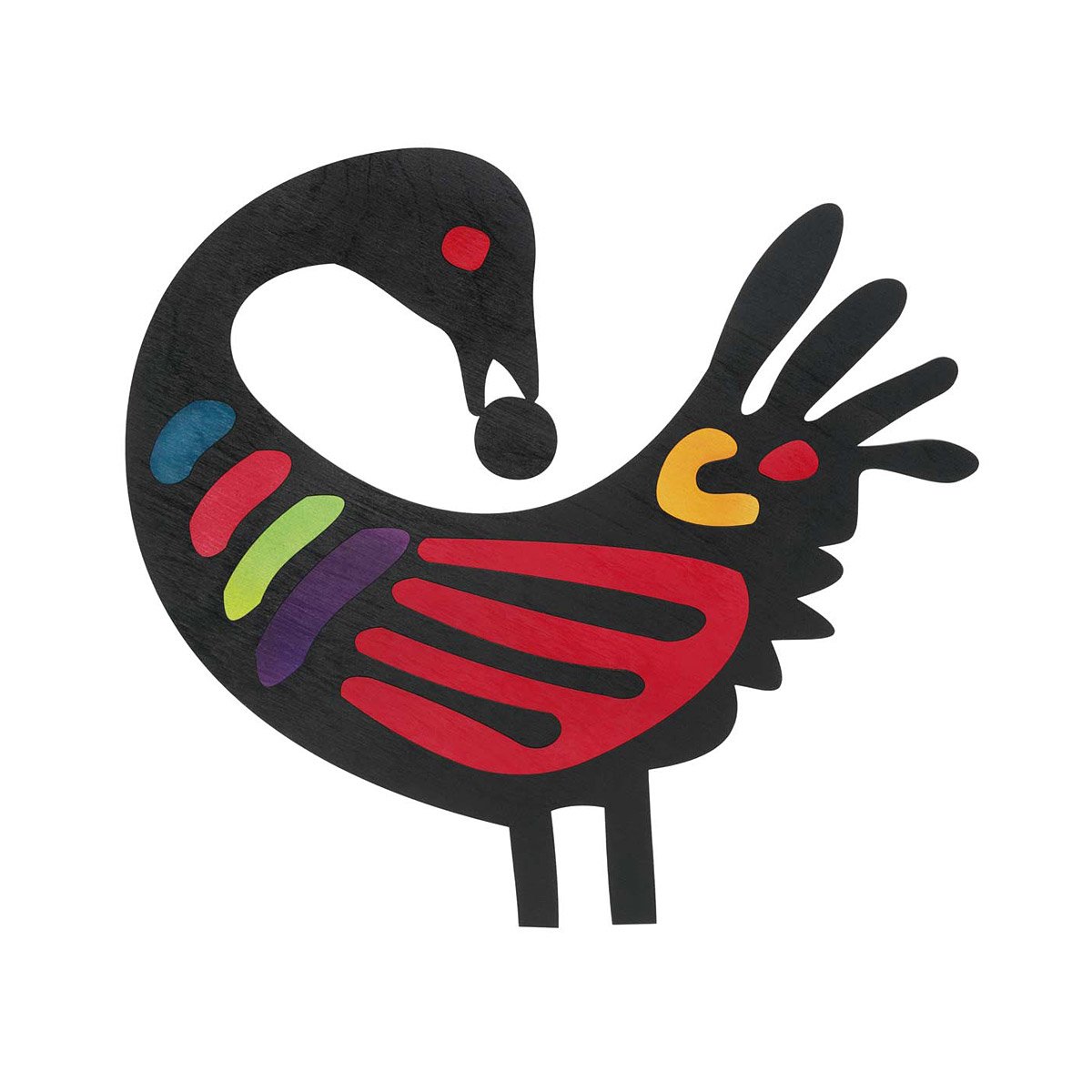
Twenty-two (22) is a powerful number. Two (2) is a rare prime number. Twenty-two represents a double prime, and when added, it equals the number “four” (4). In numerology, 22 is considered a Master number.
February is known as the month of love, is marked by the American Heart Association, and is the USA’s Black History Month of recognition and celebration. The power of love is always with me. The recent deaths of loved ones from matters of the heart impact my soul. The annual recognition of Black History Month honors our ancestors — whether African American, Irish American, Afro Caribbean American and more.
Tips for a worthwhile attendee to this workshop series:
A word of gratitude: The workshops conducted by Mark S. Owen and Ann Wead Kimbrough, are made possible through the collective production team of ministers. They are Bishop Jack Bomar, Drs. Marian Gamble and Tony Burks II, Revs. Sharon Hodnett and Senay Johnson.
The link contains wonderful words of advice. It reminds us that we are future ancestors.
— Beyond Brick Walls (@BeyondBrickWal1) January 1, 2022
One of my facebook genealogy page colleagues gifted her children with their individual family trees. Now that the winter holidays are over, this idea is perfect for 2022 family reunions.
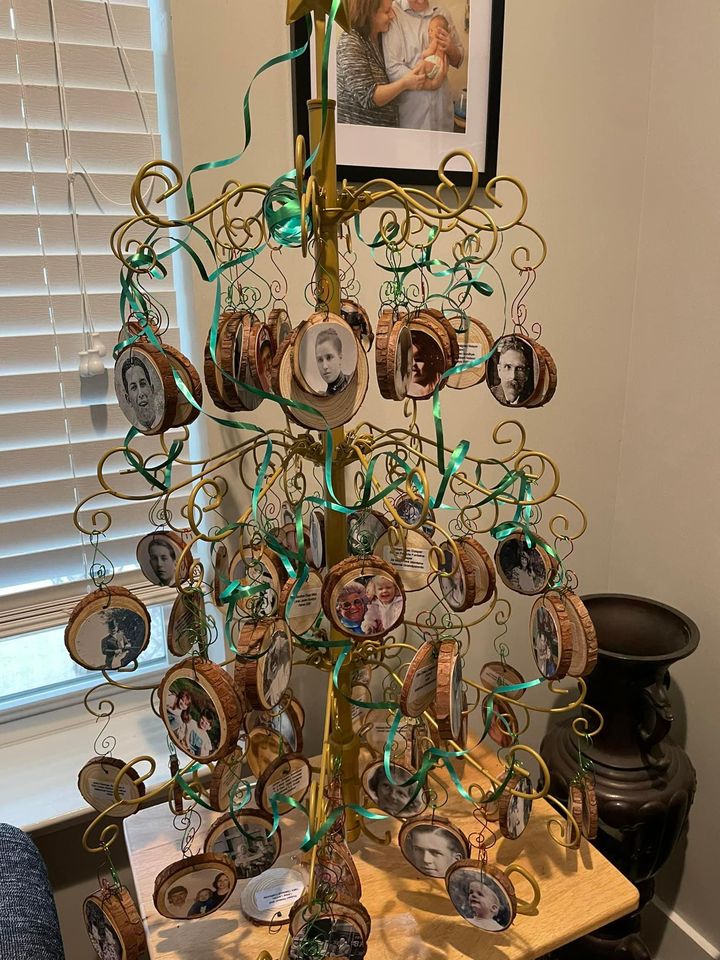
My colleague said the most often asked question is where to purchase the tree stand? She offered this bestchoiceporducts site.
Here is the back of one of the branches for you to consider how to list your ancestors.
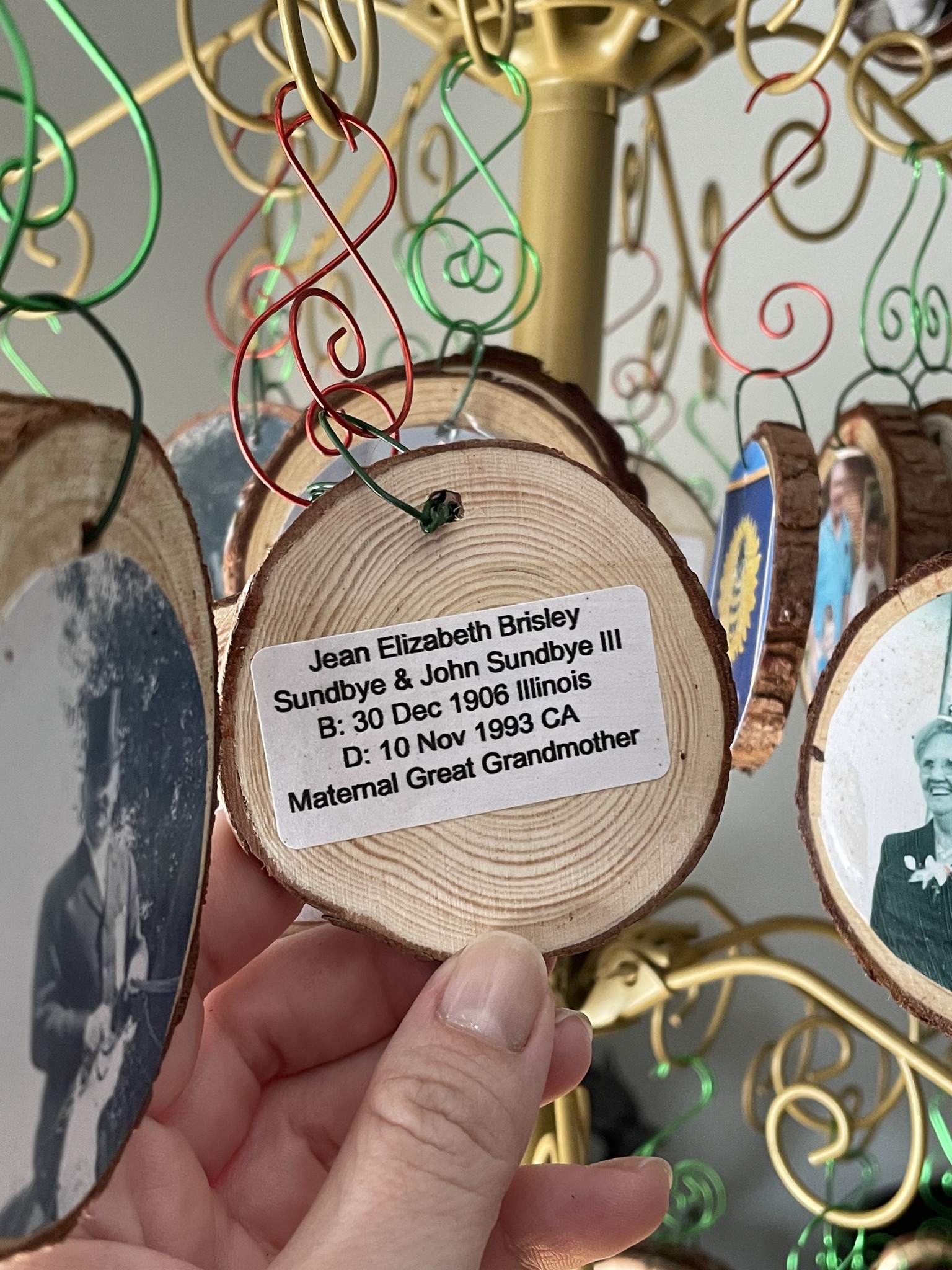
How to make this happen for your family? Be creative by using this example as your foundation of an idea that brings new meaning to our genealogy phrase, “family tree.”
Happy New Year!
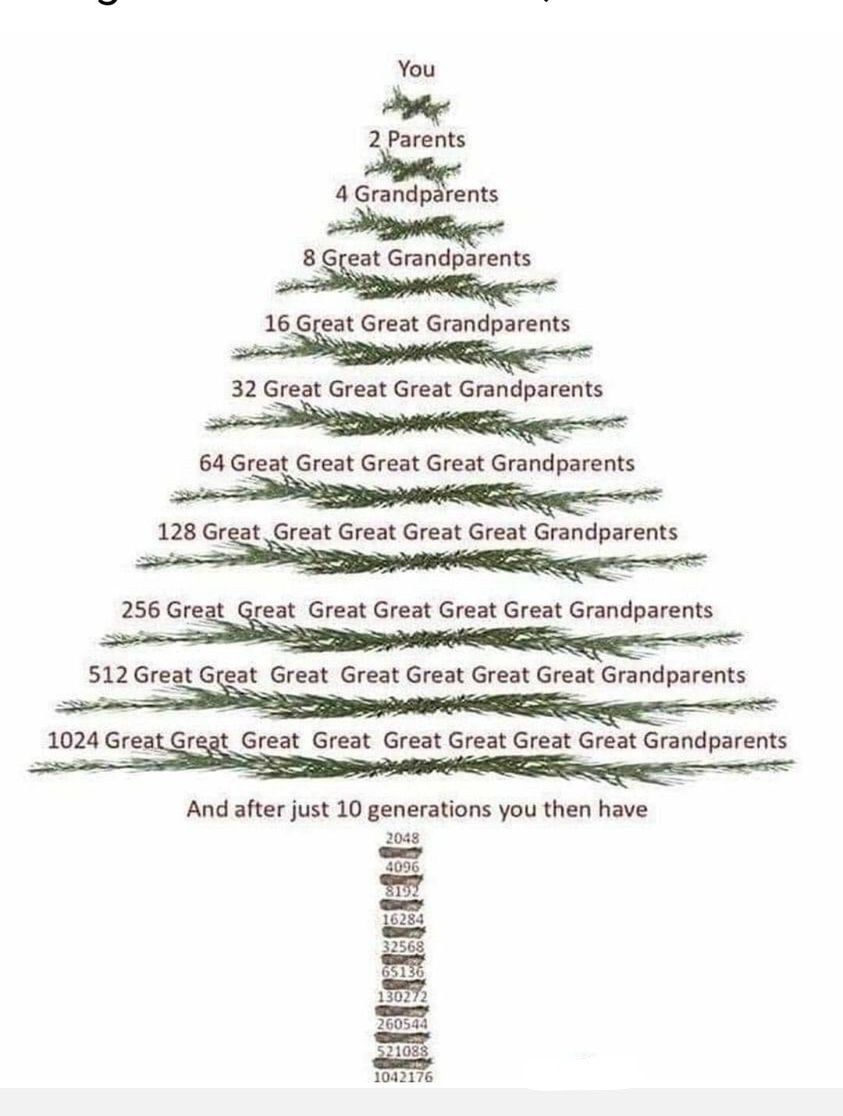
For many of us, it is a challenge to learn of our grandparents and their parents. Think about the challenge of locating 10 generations of grandparents, or stated another way, your great, great, great, great, great, great, great, great grandparents!
While the Good Genes Genealogy cousins are only halfway there with our maternal grandparents, we, like you, will keep trying to reach the 10th generation of relatives.

Here’s some solid advice from us and colleagues who are genealogy buffs:
Have fun, relax, share memories and ask great questions of your relatives to build your tree.
Happy Holidays!

I was busy preparing my holiday cards when my thoughts turned to gift-giving. What is the greatest genealogy gift that I could give to my family? The answer: Ancestral research findings.
Guess what? I, too, received the greatest gift.
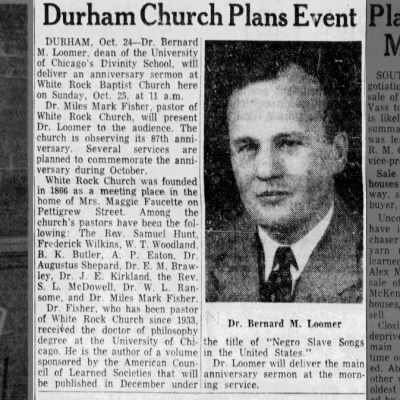
I poured through our family ancestry records and discovered great finds via newspapers.com. I attached the newspaper clippings to my family members’ trees and also printed some records to share as part of my gift giving.
The clipping below was part of my gift to Cousin-by-marriage Florida L. Fisher Parker a year ago during the holiday season. She was overjoyed to see this clipping, her marriage license and other related documents that I uncovered through electronic methods. My discoveries also prompted Florida sharing funny and tearful memories about that great day in her life.


Florida, the widow of Ret. Col. Herbert Gerald Parker, is an enthusiast genealogist. She piqued my interest in genealogy while we all lived in Tallahassee, FL. Typically, I would visit with Florida and we would prepare documents for the family reunion. After the burial of her husband, my cousin, Herb, at Arlington National Cemetery in D.C., Florida chose to live near her daughter and family in Maryland. Distance and COVID-19 restrictions have grounded our travels and frequency of our conversations.
That’s why this year, I bundled up some new finds that are related to her deceased father, Dr. Miles Mark Fisher. During my research of her father, I discovered my greatest gifts.
By sharing your ancestral findings with loved ones, you are giving the greatest gift of all during this holiday season and throughout the year.
