
 While many of us are preparing “feasts” in honor of the U.S. Thanksgiving Day, many Native American communities will observe National Day of Mourning. On the same day as the U.S. Thanksgiving holiday, the protest is in recognition of the ongoing consequences of colonization, land dispossession, and cultural erasure.
As we enter the holiday season, it’s important to look beyond the familiar Thanksgiving story many of us grew up with. The traditional tale of Pilgrims and Native people joyfully sharing a harvest feast leaves out the deeper, more complex history—especially the role of the Wampanoag Nation, the Indigenous people who lived in the region.

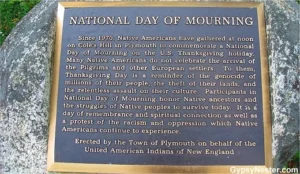
When the Pilgrims arrived in 1620, they were unprepared for survival in a new environment. The Wampanoag, led by Ousamequin (Massasoit), taught them how to plant corn, fish, and live on the land—knowledge that likely saved the colonists’ lives (Plimoth Patuxet Museums). The 1621 harvest gathering that later became known as “The First Thanksgiving” was not a national holiday, but a brief diplomatic moment.
However, the years that followed brought dramatic change. Colonists expanded onto Indigenous lands, trea
Understanding this fuller history helps us challenge stereotypes, honor Indigenous resilience, and celebrate the holiday with greater truth and gratitude. For a deeper look at the real story, the National Museum of the American Indian offers an excellent overview.
Wishing you a thoughtful and meaningful Thanksgiving.
