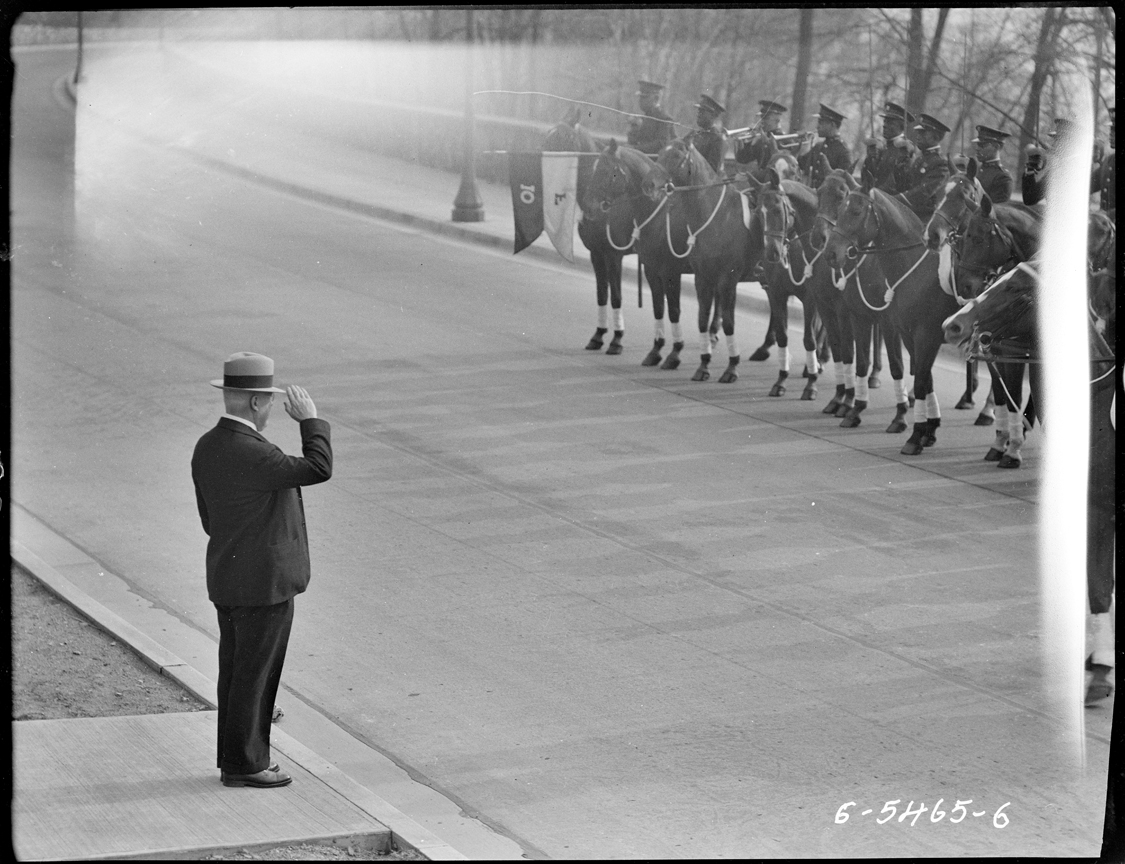
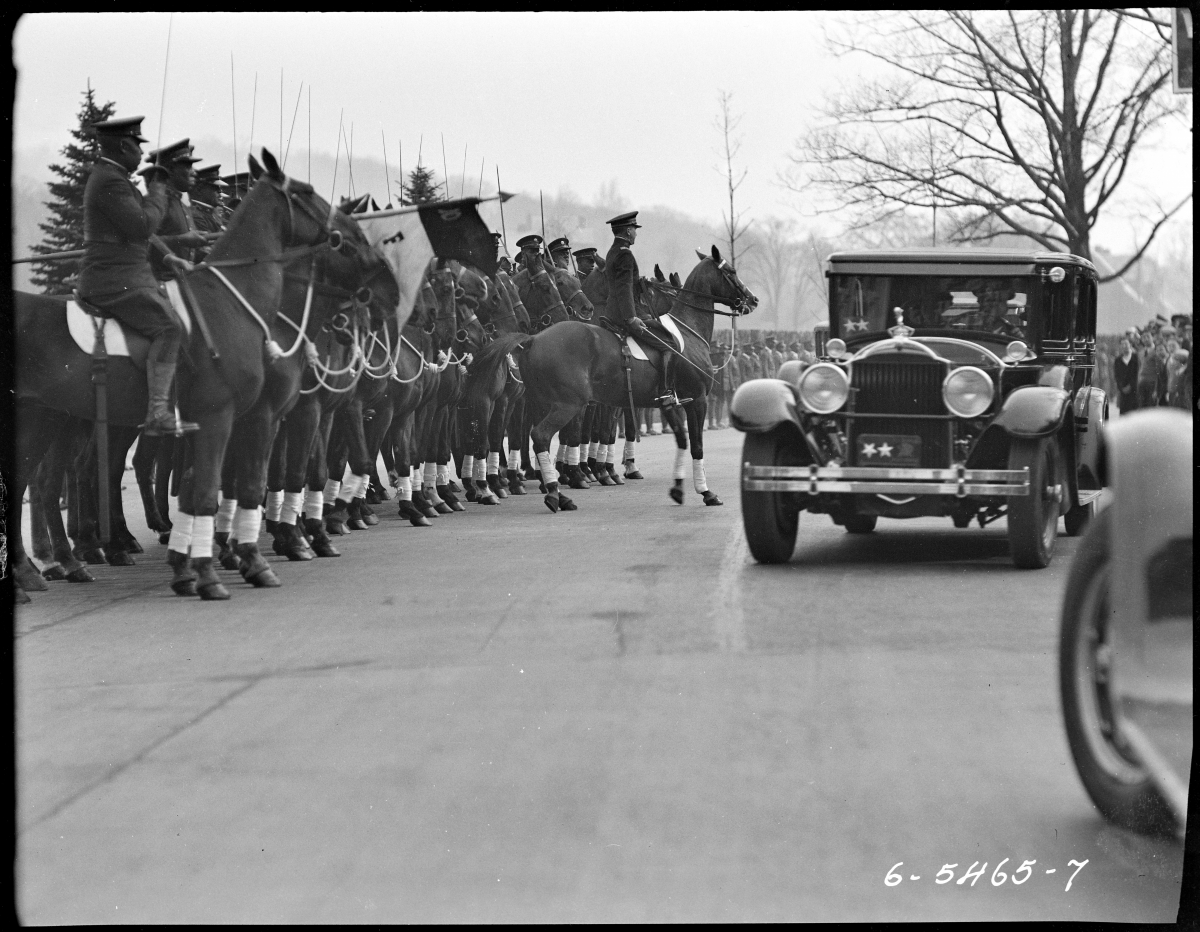
It’s hot outside. It makes one wonder just how they kept cool in those summers. Here’s a post to help you remember and research.

It’s hot outside. It makes one wonder just how they kept cool in those summers. Here’s a post to help you remember and research.

Twenty-four scholars from across the country will spend three weeks in South Carolina, learning how to teach and tell a more complete picture of American history, thanks to a grant from the National Endowment for the Humanities.
“Reconstructing the Black Archive,” a summer institute run by Furman University and Clemson University, will send the scholars, most of whom teach undergraduate students, into churches, historical associations, museums and other sources to learn to recover missing, often intentionally buried, histories.
“These are vibrant sources that tell a history lost to many earlier generations. It’s exciting and thrilling to behold,” said Gregg Hecimovich, Furman professor English, who directs the institute with Furman’s Kaniqua Robinson, assistant professor of anthropology, and Clemson’s Susanna Ashton and Rhondda Robinson Thomas, both professors in the Department of English.
The scholars’ itinerary takes them to sources at Clemson University and the city itself, Columbia and Charleston where they’ll learn from a cast of expertsincluding archivists, literary critics, prize-winning authors, poets and historians, people who have forged the tools for reassembling the scattered shards of information that give a fuller picture of the past.
You can read more in an article by Tina Underwood published in the Furman web site at: https://tinyurl.com/hbxpt2ey.

We love freebies, especially when it helps our genealogy and ancestry pursuits. Here are a few great free workshops, seminars and other events:
Always consult your government sources for free genealogy and ancestry help. After all, if you pay taxes, you’ve paid for these great services. Here’s one of my favorite, basic sites. The details are great refreshers for many of us. For the newbies to the vast research involved in tracing our ancestors, this U.S. National Archives site is terrific, albeit it appears to be complicated. Happy hunting!

That “old” family Bible with authentic inscriptions about births, deaths and other life events such as weddings and baptisms, will serve you well if you are seeking to get a passport yet do not have a birth certificate.
This Freebie Friday tip and more is available on the Good Genes Genealogy social media and our website by the same name. Go to our “Dig a Little Deeper” broadcast site.
Editor’s note: The first part of this blog was published on the Good Genes Genealogy sites two days ago. Here is the rest of the preview of our upcoming Juneteenth audiobook.

General Granger was assigned a difficult task that became worse for him after delivering the freedom message in Texas. According to historians, General Granger “became extremely unpopular among many whites in the state of Texas. He was blackballed and ostracized by many Whites, so much so, that after only six months in command of the Department of Texas, Granger was relieved of his command on August 6, 1865. On October 31, 1865, he was placed in command of the District of New Mexico.”
General Granger’s health also declined after his transfer in command. Source: https://seattlemedium.com/gen-gordon-granger-the-man-behind-the-juneteenth-message-of-freedom/
Texas came a long way from being the last state to recognize the Emancipation Proclamation to becoming the first state in 1980 to declare Juneteenth as an official holiday. With the determined, multi-year lobbying effort by famous Texan Opal Lee, in 2021, U.S. President Joe Biden signed into law the nation’s official holiday of Juneteenth.
Several miles north of Galveston near the Navasota River in Groesbeck, Limestone County, Texas, General Granger’s Order No. 3 reached the homestead. The Pleasant Retreat Plantation was owned by Logan Stroud, a slave owner who inherited the property upon the death of his father, Ethan. The father and son had acquired plantations that resulted in 5,000 acres used for raising cotton, corn, oats, wheat, hogs, sheep and it served as a ranch. At the time of Civil War, the younger Stroud was the largest slave holder in Limestone County, owning more than 100 slaves. It was recorded that he had 150 slaves on the day now known as Juneteenth.
According to the property records, the Emancipation Proclamation was read in Limestone County from the porch of the Pleasant Retreat Plantation, on Saturday, June 19, 1865.

Newly freed Blacks in Texas set the tone for celebrating the early days of June 19th with recognitions of their former lives and the memories of their loved ones who endured enslavement. However, there were some Blacks who thought the Juneteenth and Emancipation Day celebrations should put the awful days of slavery behind and instead, look forward with celebrations of hope and aspirations. During the years of Jim Crow, Juneteenth celebrations were confined to the Black communities from coast to coast in the United States.
The photos (see below) are from Mrs. Grace Murray Stephenson, a lady who recorded her June 19, 1900 day of celebration. She sold her diary to the San Francisco Chronicle, which printed her memories.


While awaiting the arrival of the Good Genes Genealogy’s Juneteenth audiobook, learn more about the June 19th holiday and the other “Black” holiday, August 1st. Check out our e-book that is available on all book buy sites.

Years before the state of Texas received official notification that its enslaved people were free due to the U.S. Emancipation Proclamation, all other rebellious Confederate states complied with the presidential order.
The in-person announcement from U.S. Brigadier General Gordon Granger in Galveston, Texas, came on June 19, 1865.

A month earlier, Confederate General Edmund Kirby Smith, commander of the Trans-Mississippi division, surrendered on May 26, 1865. Days later, on June 2, 1865, General Smith officially laid down his arms at Galveston. He immediately fled the country for Mexico and Cuba as General Smith was deemed treasonous for not following earlier orders to surrender.
While General Smith was slow to surrender his command in Texas, he was accompanied by his valet, a mixed-race slave who was owned by General Smith’s father and believed to be the military leader’s half-brother. Once free, former slave Alexander Hanson Dames, attended two historically black institutions of higher education and earned a degree as a medical doctor. Dames became a well-respected physician whose accomplishments earned him the first statue in Jacksonville, Florida that honored a black man. The statue is situated next to General Smith.
It was a long time coming for Blacks enslaved in Texas who were forced to endure two-and-a-half years more of plantation rules than their counterparts. The General document was welcomed by slaves, yet its last two sentences is deemed controversial by some historians:
“The freedmen are advised to remain quietly at their present homes and work for wages. They are informed that they will not be allowed to collect at military posts and that they will not be supported in idleness either there or elsewhere.”

General Granger’s troops marched through Galveston while some read the General Order No. 3. Their first stop was at the Union Army Headquarters at the Osterman Building.

Next, they marched to the 1861 Custom House and courthouse. The last reading of General Order No. 3 was at what was referred to as “the Negro Church on Broadway” that is known today as Reedy Chapel-AME Church4.
To learn more about Juneteenth, pick up a copy of the Good Genes Genealogy e-book:

Our first e-book about African American historical and ancestry achievements, is highlighted with lively research about Juneteenth and August First. In honor of this year’s celebration of the nation’s official holiday, Juneteenth, pick up a copy from your favorite online store.
“The people of Texas are informed that in accordance with a Proclamation from the Executive of the United States, all slaves are free. This involves an absolute equality of rights and rights of property between former masters and slaves, and the connection therefore existing between them becomes that between employer and hired laborer.” – U.S. Brigadier General Gordon Granger, Galveston, Texas, June 19, 1865
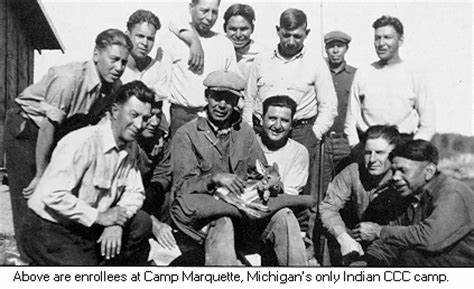
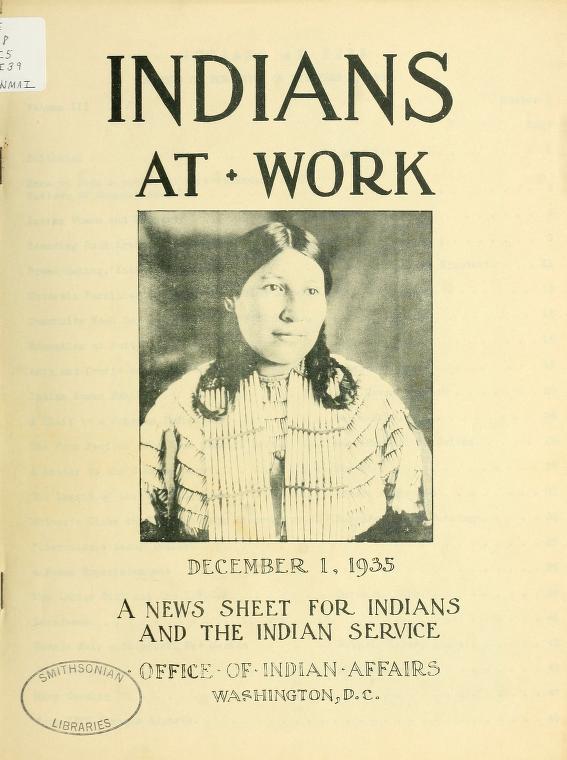
A special, free presentation by the National Archives on May 31, 2023, will highlight a little known program that involved 3 million Native American men who were hired by the United States government to preserve the nation’s natural resources. Known first as the Indian Emergency Conservation Work (IECW) program, and later named the Civilian Conservation Corps Indian Division (CCC-ID), it was part of President Franklin D. Roosevelt’s massive jobs creation initiative.
For genealogists researching their Native American heritage, the records kept by the CCC-ID are tough to assemble because the tribes/nations of Native American were responsible for the record-keeping. The quarterly reports to the federal government were also supplemented by publications such as the one shown above in this post. Those are the most informative pieces of information that will greatly aid in the ancestral searches involving Native Americans.

If there is any doubt that genealogy/ancestry research is capturing the world’s attention, especially, take a look at the latest data collection regarding consumer-requested testing for DNA. The global, direct-to-consumer (DTC) lab testing market is projected to reach $7.92 billion by 2030, growing at an annual rate of 10.9 percent, according to ResearchandMarketing.com.
In 2023, the ancestry/genealogy segment is expected to account for the largest share of the global direct-to-consumer genetic testing market. Factors such as increased consumer interest & curiosity regarding ancestry, technological advancements to make genetic testing accessible, strong advertising & marketing by the companies, high racial diversity and interracial mix in some countries, and the advantages such as convenience & accessibility are driving the growth of this segment.
https://www.globenewswire.com/news-release/2023/05/19/2672626/0/en/7-92-Bn-Direct-to-consumer-DTC-Laboratory-Testing-Markets-Genetic-Testing-Ancestry-Carrier-Status-Disease-Risk-Diabetes-COVID-STD-Routine-CBC-Global-Forecast-to-2030.html
DNA testing is a powerful method for verifying family documents. It can help confirm or refute relationships between family members and verify family documents such as birth certificates, marriage certificates, or adoption papers.
For example, if a birth certificate claims two people are siblings, a DNA test can help confirm this. The DNA test can also show clear relationships between other relatives such as great-aunts, uncles, cousins, and great-great-grandparents.
https://money.com/best-dna-test-kits/

Back by popular requests, we’re offering genealogy and ancestry seekers will find the following freebies to delve into: