Mind your manners while researching historical records
From Accra to ancestral cemeteries, what every African Diaspora researcher should know about preparation, respect, and cultural awareness
1. Plan in Advance
A visit to a research center—whether a library, museum, park, or cemetery—requires clarity of purpose. Know what you are looking for so that staff and guides can assist you effectively.
Example: When I visited Public Records and Archives Administration Department (PRAAD) I had already reviewed their policies and knew that colonial African Diaspora records were housed there.
At a cemetery, my local escort (whom I affectionately call my “son”) understood that I was searching for graves of colonizers and Africans from the 19th century. Because of that clarity, our guide led us directly to relevant sites.
2. Stay Organized
Once your objectives are clear, be prepared to capture information efficiently.
Bring:
A notebook
Writing instruments
Your mobile phone
Extra notepaper
Example: Always ask permission before taking photographs. Many archives restrict general photography, but staff will often guide you on what is permitted.
Also, never underestimate the value of a portable phone charger—it is essential.
3. Practice Courtesy—Always
This seems simple, but it is not always practiced.
Example: I once observed a visitor who refused to present identification required for accessing special collections. His behavior disrupted the environment and ultimately led to his removal.
Also, avoid negotiating fees for copies or services. These costs are typically fixed and governed by institutional or government policies.
4. Be Flexible
Research processes—especially abroad—do not always align with Western expectations.
Patience, adaptability, and respect for local workflows will serve you well every time.
5. Dress Appropriately
Dress comfortably but respectfully.
In warmer climates—especially near the equator—light clothing is helpful, but modesty still matters. Interestingly, many research facilities use strong air conditioning or large fans, so carrying a light jacket or sweater is wise.
Example: I once wore shoes without proper support while navigating cobblestone streets in a European city. By evening, I paid the price.
In hot climates, bring a hat or scarf—not only for sun protection but also for unexpected rain.
6. Always Carry Identification
This cannot be overstated.
Example: In one instance, a visitor delayed an entire line while searching for identification. In another, refusal to present ID resulted in removal from the facility.
Do not let something so simple hinder your research.
Tipping all hotel staff is appropriate if allowed
7. Understand Tipping Etiquette
Gratuity practices vary widely across cultures.
Example: While guided tours often warrant a tip, cultural norms must be respected. In Rwanda, I tipped a driver for a long journey, only to later learn that accepting tips conflicted with local expectations. The driver went to great lengths to return it.
When in doubt—ask.
8. Show Appreciation
If your research requires overnight stays:
Tip hotel staff( when appropriate
Leave notes of appreciation if tipping is not feasible
Small gestures go a long way in enhancing your overall experience.
9. Decompress When Needed
African Diaspora research can be emotionally and spiritually intense.
Example: If your eyes begin to blur or your heart feels heavy, pause. When I encountered records describing the execution of an ancestor, I had to step away and regroup.
There is strength in knowing when to take a break.
Final Thoughts
There are many more lessons I could share—and I am always eager to learn from others’ experiences as well.
The ultimate goal is simple: to achieve your research objectives with as few obstacles as possible—while honoring the spaces, the people, and the histories you encounter.
(Original writing by blog author, Dr. Ann; Ai editing assisted).
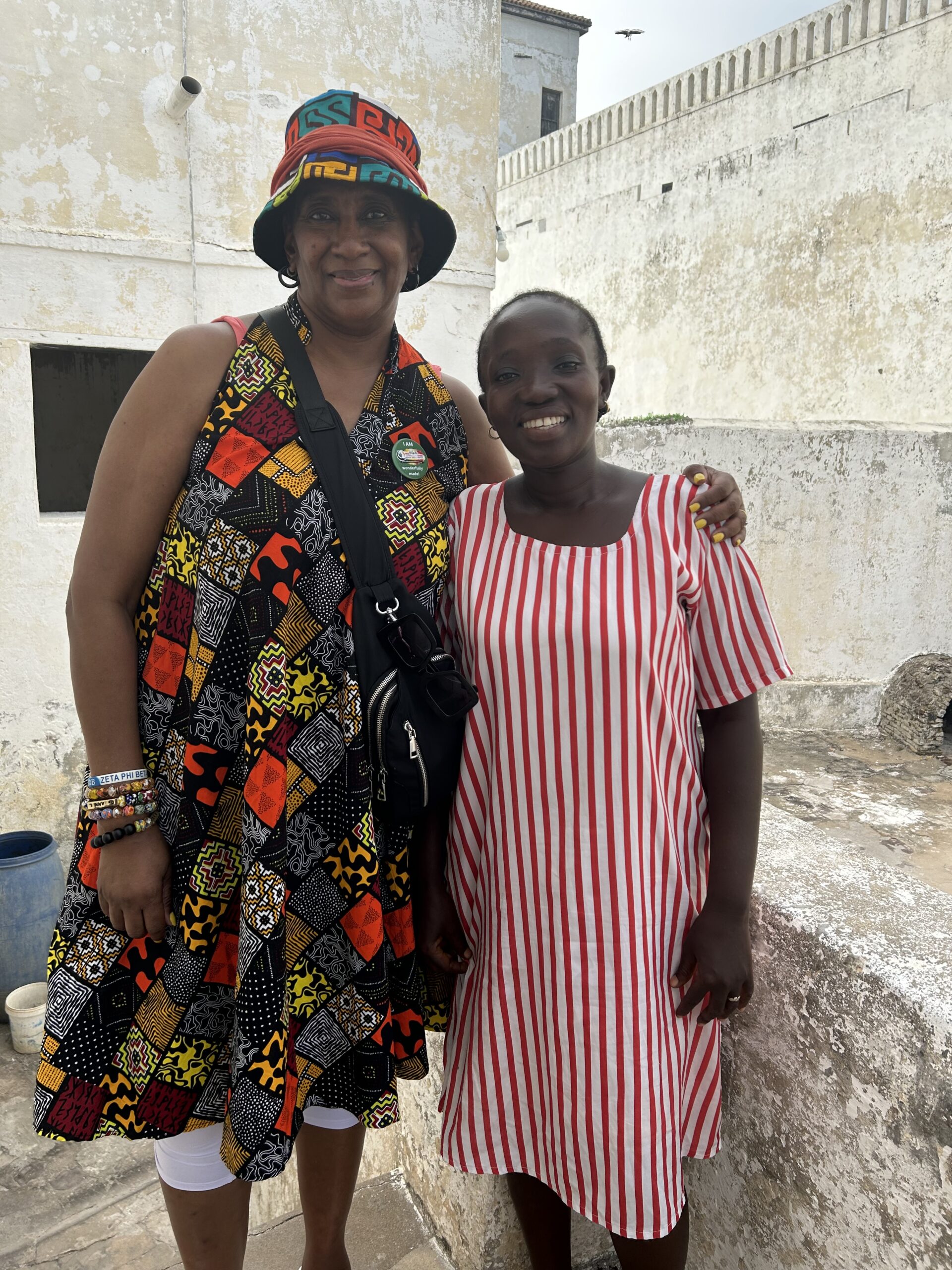
Mothers of fraternal twin children: From left, Blog Author Ann aka Ama (born on Saturday) and “Abena” (born on Tuesday) at Elmina (Ghana) Slave Dungeon
Who knew that giving births to fraternal twins would be a strong linkage to connecting African Diasporan families? Do twins “run in your family?”
In African diasporan genealogy, I’ve found several clues that live within me as a fraternal twin mother, and within so many other African, African American, Brazilian, Caribbean women. In short, twin births are the highest among Black women in these regions of the world. By contrast, fraternal twin births are low in Europe and the lowest in East Asia.
I’ve been curious about the birth of twins since my boy and girl set were born some forty years ago at Georgia Baptist Hospital in Atlanta, Georgia USA. Each time I’ve visited Africa since 2010, I’ve met mothers of twins, family members of twins, and of course, twins. The intersting feature is that often fraternal Black twins — that is, not identical ones — do not necessarily have similar outward features. I have a sense that some combinations of people are twins and that is how I often make such connections on USA, Caribbean and African soils. On an April 2026 visit to Ghana’s Elmina community, I easily located a mother of fraternal twin children (pictured, on right). She, too, had a boy and girl twin who were soon to celebrate a milestone birthday.
Diaspora Connection
The same regions in West Africa known for higher twinning rates are also regions where many our enslaved Africans ancestors were trafficked from. It is interesting that elevated rates of fraternal twins among African-descended populations in the U.S., Caribbean, and Brazil. I met groups of people from northeast Ghana who are connected to Brazil.
This is more than a statistic—it is continuity. Even after the forced enslaved passages across the Atlantic Ocean where we are still piecing together generations of separations, something remained.
Fraternal twinning that is mostly linked to West African ancestry is a huge genealogy search clue. This inherited trait traveled across generations during the Trans-Atlantic Slave Trade and still appears in families today. For genealogists that include me, and for all family researchers, twin births are helping to trace maternal lines.
This means that we can reconnect with our ancestors through another familial linkage and remind us that even when records are long gone, our fraternal twin ancestry leaves a wonderful mark.
Twins as Genealogical Clues
As we comb through government and other historical records, be on the look out for the following clues about your family that will likely help to further identify African geographical and genealogical linkages:
Two children listed with the same age and date of birth in early Census records;
Probate, plantation, church and other social documents referring to “twins”;
Oral family stories about the “two born together”; and
Repeated twin births on maternal sides of our families.
I’ve located twins on my paternal and maternal family lines based on the connection of birth dates. It is shoring up my family’s linkage to West Africa.
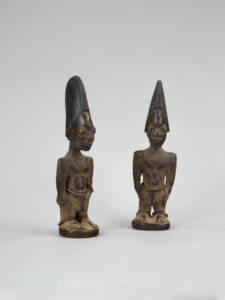
In most of West Africa, the birth of twins is considered a significant sign from the gods. Amongst the Yoruba they are thought to bring good luck — St. Louis Art Museum
More Than a Coincidence
For those who are interested in the science of twinning, fraternal twins happen when a woman releases more than one egg during ovulation. Research shows this occurs more often in some West African populations than anywhere else in the world. That means it may not be random when repeated twin births occur in a family line—especially across generations. Our ancestors and today’s Black families often remark that “twins skip a generation” or something similar when explaining the phenomenon of twin births within families.
For instance, my maternal grandmother gave birth to fraternal twin daughters. Skipping a generation, I birthed fraternal twin children — John and Jocelyn.
Several recent studies track twin births in West Africa. According to a study of data from 135 countries by the University of Oxford’s Christiaan Monden and his colleagues published in 2020, the Ivory Coast had a rate of 24.9 twins for every 1,000 births during 2010 – 2015. The report found that Ghana and South Sudan had the second-highest twinning rate, each with 24.8 twins per 1,000 deliveries, followed by Liechtenstein on 24.7 per 1,000. About 1.6 million twins are now born worldwide each year.
“The twinning rate in Africa is so high because of the high number of dizygotic twins – twins born from two separate eggs – born there.” He continued, “This is most likely to be due to genetic differences between the African population and other populations,” explained researcher Monden.
Next steps
We spend our time in genealogy and ancestry research searching for what was lost. Things and people are not really lost, all are simply unrecognized.
Twin births remind us that our ancestors left patterns, traits, and living evidence of who they were and where they came from. Even in the absence of records, the body remembers.
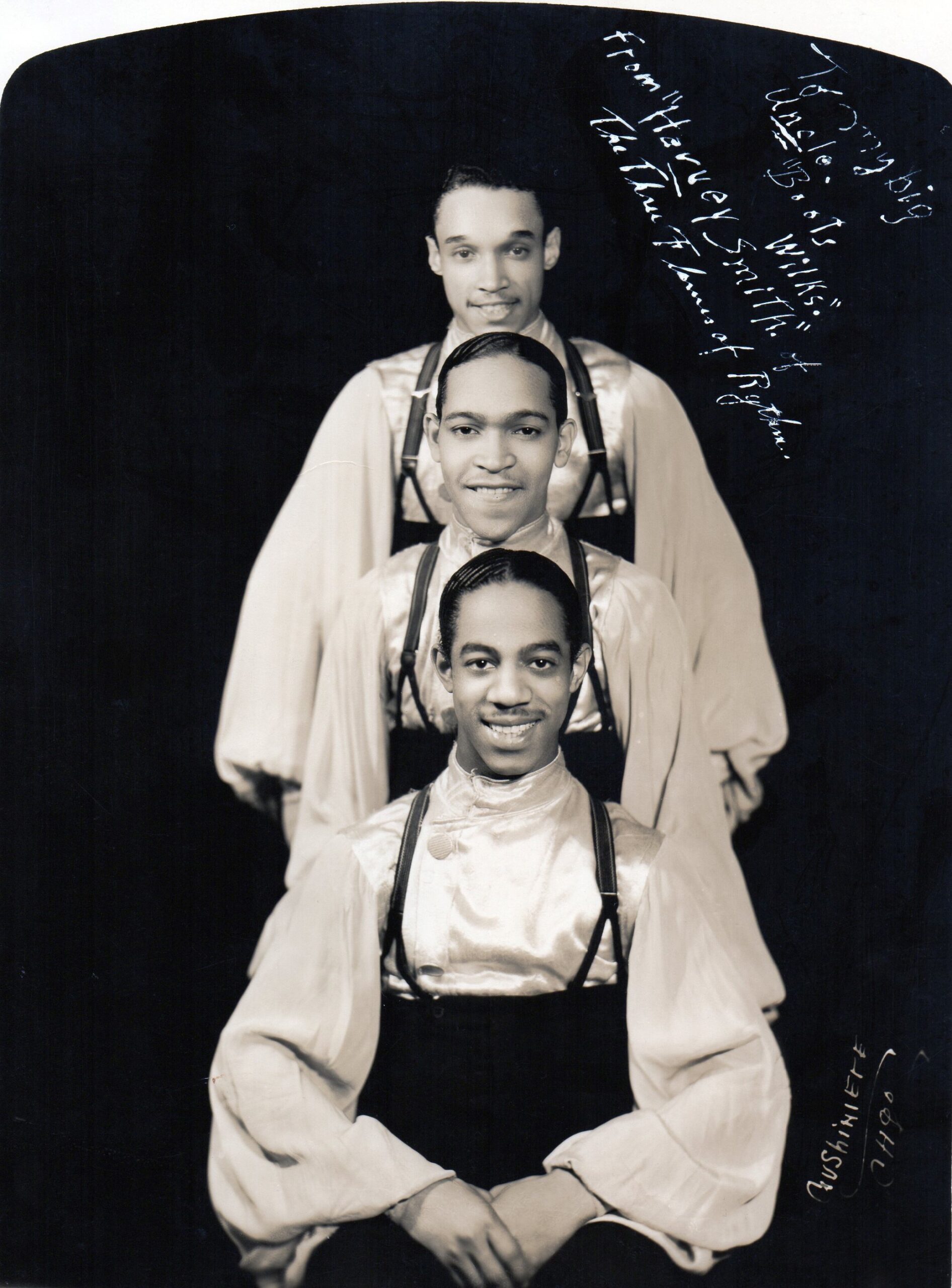
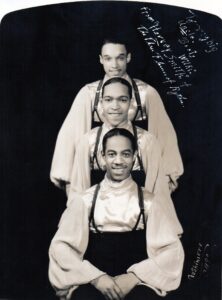
Sometimes our ancestry searches yield updated and unexpected and even more mysterious results. Just last week, I was checking out a great uncle who I thought was named Harvey Robinson or Wilks. His draft card says differently. The one factor that I got right — and so did my fellow family ancestry researchers — is that my maternal great-grandmother, Edna Robinson, was his mother. Research upshot: Keep reviewing existing records!
For years, I along with my fellow family researchers believed that Uncle Harvey’s last name was Wilks or Robinson or lately, it could have been Dotray. Absent his birth certtificate, the draft card became the ultimate verifier! Woo hoo!
Discovering the truth about my family’s past has always been a fascination of mine. I spent countless hours digging through old photo albums, documents, and listening intently to my grandparents’ stories. But there was one mystery that never seemed to have an answer – the real name of my maternal great uncle, Harvey. Growing up, I only knew him as Uncle Harry. f you, like me, are fascinated by your family’s past, this post is for you. It is a testament to the power of curiosity and determination in unraveling mysteries, no matter how big or small. It is a reminder that our family histories are rich and vibrant, waiting to be explored and celebrated. So join me on this journey to unveil the truth behind my Uncle Harvey’s real name, and discover the value it brings to our lives. Who knows, it may inspire you to start your own search for hidden family secrets.
The Mast family children pay tribute to their mother and father on June 19, 1948
Remember to search newspapers – The Black Dispatch – for family stories Are you searching for a new and exciting way to connect with your family’s past? Look no further than the archives of The Black Dispatch, an acclaimed newspaper that has been capturing and documenting the stories of African American communities for over a century. Founded in 1915 by civil rights activist and journalist Roscoe Dungee, The Black Dispatch quickly became a pillar of the Black press, serving as a source of news and information for African Americans across the United States. Since then, it has been covering important local, national, and international events that have shaped the Black experience. The Black Dispatch is important to our African Diasporan genealogy research:
Rich in history: The newspaper has been a vital part of Black history, chronicling important events such as the Civil Rights Movement, the Great Migration, and the election of the first African American president.
Uncovering untold stories: The Black Dispatch regularly featured articles and obituaries about ordinary people in the community, giving valuable insight into the lives of your ancestors.
Community-focused: Unlike mainstream newspapers, The Black Dispatch focused on issues and events that were relevant to the Black community, providing a unique perspective on historical events.
Rare photographs and advertisements: Along with news articles, The Black Dispatch also featured rare photographs and advertisements, giving you a glimpse into the everyday life of your ancestors.
With its extensive coverage and rich historical value, The Black Dispatch offers a unique opportunity to uncover and preserve your family’s stories.
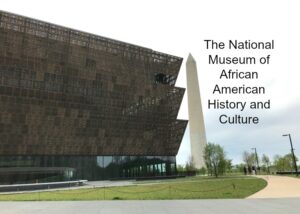
Washington, D.C.-based Museum is threatened with funding cuts by the government
Deliberate Attempts to Block African Diasporan Research
The history of the African diaspora is a rich and complex tapestry, woven together with the blood, sweat, and tears of countless innocent Africans were who forcibly stolen from their once beautiful homes, palaces, and other grand estates. After enduring horrible conditions, they were shipped across the Atlantic Ocean and scattered across the globe. This diaspora has had a profound impact on the cultural, economic, and political landscapes of the countries where Africans were brought and has sparked a growing interest among family members on United States shores and researchers from around the globe.
We must also consider the benefits of supporting and promoting African diasporan research. By allowing diverse perspectives to be heard and studied, we open up the possibility for important and groundbreaking discoveries that can shape and enrich all fields of study. Additionally, this research can have a positive impact on communities and individuals who have been historically marginalized, by giving them a voice and validating their experiences.
Purposeful moves to block African diasporan research have far-reaching and damaging consequences. By understanding the unique features of this subject, and acknowledging its value and benefits, we can work towards breaking down these barriers and fostering a more inclusive and accurate portrayal of our shared history.
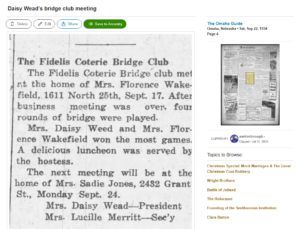
Paternal grandmother Daisy Shanks Wead was the president of the bridge club in 1934
Historical newspapers remain one of my favorite starting points when I am curious about what life was like for my ancestors. While perusing the newspapers.com, I found a series of articles about my paternal grandmother and grandfather. My grandmother was a co-organizer of a bridge club in Omaha, Nebraska, in the early 1930s. Who knew? Surely, not my Dad, Rodney Wead, who is the oldest son to Daisy and Samuel Luster Wead. My Dad is also a bridge player as was his father who also started a bridge group in Omaha.
I did not know that both grandparents were ardent bridge players. It helps to further add texture and shape their lives within our memories of them during the Jim Crow era of racial discrimination in the United States, even in the Midwestern areas.
Yet, I remain appreciative of newspapers for serving a vital role in preserving the scattered facts of our collective family’s histories. For African Diasporan and Indigenous Americans, newspapers were essential in extending facts that often were jumbled or omitted.
‘Read all about it’
Let’s take a closer look at some of the unique features of historical newspapers.
The authenticity of the content: These are not just random pictures or generic stories. These are real, untampered artifacts from my family history. This adds a personal touch and a deeper level of connection with the readers.
A slice of life: Through these photographs and even letters that I discovered, I got a slice of life from the 1930s – a time when the world was on the brink of a major change. The post captures the simplicity and the small joys of everyday life in a way that is both mesmerizing and eye-opening.
Lessons and values: Beyond the nostalgia and the historical value, the short articles featuring my grandmother, grandfather and their friends, delves into the lessons and values that my grandparents passed down to me. From generosity to resilience to gratitude to love for family, these are timeless principles that still hold relevance in our lives today.
Grandma and Grandpa’s hands
The articles featured in this post and other similar reports on the ladies’ and gentlemen’s bridge games are more than the short articles reveal. It’s about the journeys of two African Americans gaining their form of notoriety received from having their names in the newspapers. Those were the days when newspapers were the “gospel” and rarely were there good features in the mainstream media about the pleasant lives of African Americans. These articles, however, were in a time limited African American owned newspaper, the Omaha Guide.
I paused and imagined being in my grandparents’ space and watching them win their respective bridge game. I was fortunate to see my grandfather play bridge and I can still hear the laughter and slapping of cards on the table as they enjoyed snacks and drinks. I transported to a different time and place in thinking about their fun times. I could feel the emotions, the joy in their hosting duties with their respective bridge club.
I urge you to reconnect with your own family history and discover the untold stories and memories that lie dormant. It’s an opportunity to honor our roots and the people who came before us, who have contributed to making us who we are today. So join me on this journey to 1934, and let’s uncover the “Precious Finds” together. My Dad was born in 1935 and the newspaper clippings about my grandmother’s bridge games came to a screeching halt to make room for the article listing the birth of a son to his parents.
What if one tiny detail on a faded World War II draft card could unravel an entire story about your ancestor’s daily life, workplace, community, and economic reality? That’s exactly what happened when I discovered one unexpected line on my cousin Herley Bedell Jr.’s registration card.
How many times have family researchers of African Diasporan and Indigenous descent wondered what our ancestors truly experienced? I often find myself imagining their daily lives and asking questions such as:
How did they survive the brutal Midwestern winters without central heating or the comforts we take for granted today?
What was it like to participate in a church service in 1918, in the midst of a world war and a pandemic?
Where did they work beyond farms, domestic labor, or the physical jobs typically assigned to African Americans and Indigenous people of the era?
The good news is that many of these questions can be answered—or at least illuminated—by learning to “read between the lines” of the documents, photographs, and artifacts our ancestors left behind. One such example comes from that small but powerful clue found on Herley Bedell Jr.’s draft card.
A Draft Card Opens a Doorway Into 1940s Life
Herley Bedell, Jr. ‘s draft card____
Cousin Herley’s card revealed that he worked at The Cat & Fiddle Restaurant in Springfield, Missouri. His mother, Lorene Wilks, was the sister of my great-grandmother, Edna Wilks Robinson, making Herley my great-aunt’s son.
With that one detail—his workplace—an entire exploration began.
I first used Google to look up the Cat & Fiddle in Springfield around 1942, an approximate year when Herley may have worked as a busboy or possibly a waiter. I then searched social media for a possible Cat & Fiddle affinity group. Although none existed, I stumbled upon something unexpected: a modern entrepreneur selling t-shirts with logos of former Springfield landmarks—including The Cat & Fiddle.
Full disclosure: I proudly purchased a Cat & Fiddle t-shirt in honor of Herley.
Following Digital Footprints to Local History
My search led me to the Facebook group “Springfield, Missouri History, Landmarks & Vintage Photography,” moderated by historian Richard Crabtree. In one detailed post, the group featured the Cat & Fiddle, including:
A photograph of the restaurant
Springfield, Missouri’s Cat & Fiddle Restaurant and Bar
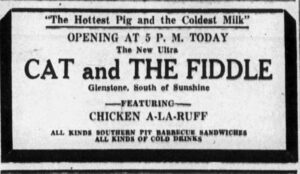
An advertisement
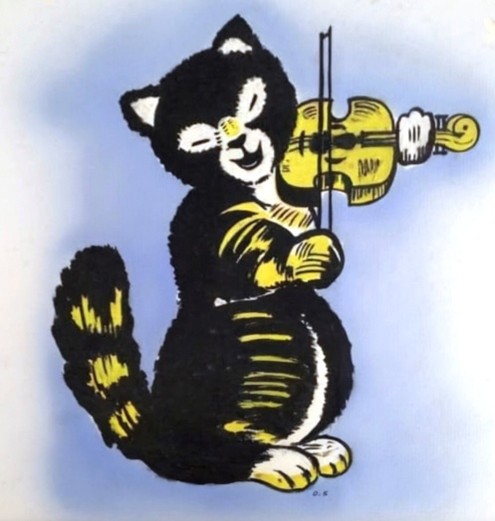
The whimsical logo of a cat playing the fiddle
Springfield, Missouri Cat & Fiddle Restaurant Logo
Newspaper ad for Cat and the Fiddle in Springfield, Missouri
Beyond the images, the comments from Springfield residents—current and former—offered lived memories that help reconstruct what the community felt like during Herley’s time.
These items, once tucked away in someone’s attic, now help fill in historical gaps.
Building Your Ancestor’s Story With Curiosity
This journey is a testament to what one small detail can reveal. A single draft card led me to a restaurant logo, wage estimates, community recollections, historical societies, and vintage artifacts—all of which help paint a fuller picture of Herley Bedell Jr.’s world.
As family researchers, our task is to use curiosity and creativity to pull these threads together. Documents may give facts, but it is our interpretation, imagination, and follow-up research that transform those facts into ancestral stories worth telling.
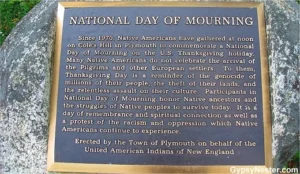
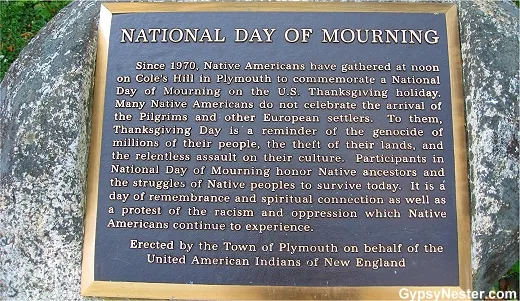
While many of us are preparing “feasts” in honor of the U.S. Thanksgiving Day, many Native American communities will observe National Day of Mourning. On the same day as the U.S. Thanksgiving holiday, the protest is in recognition of the ongoing consequences of colonization, land dispossession, and cultural erasure.
As we enter the holiday season, it’s important to look beyond the familiar Thanksgiving story many of us grew up with. The traditional tale of Pilgrims and Native people joyfully sharing a harvest feast leaves out the deeper, more complex history—especially the role of the Wampanoag Nation, the Indigenous people who lived in the region.
Thanksgiving is National Day of Mourning among many Indigenous people
However, the years that followed brought dramatic change. Colonists expanded onto Indigenous lands, trea
Understanding this fuller history helps us challenge stereotypes, honor Indigenous resilience, and celebrate the holiday with greater truth and gratitude. For a deeper look at the real story, the National Museum of the American Indian offers an excellent overview.
Wishing you a thoughtful and meaningful Thanksgiving.
During a recent webinar training, “Researching your Indigenous Ancestors,” the facilitator stated that Native Americans have the highest military rate per capita in the United States.
I believed her yet as all good genealogist researchers know: Trust yet verify.
She was right as Indigenous ancestors have bested Blacks and others in their loyalty to the U.S. military, according to the U.S. Department of Defense:
Native Americans represent less than 2% of the U.S. population, yet
Native Americans comprise 1.7%–2.5% of active-duty service, which is disproportionately high in comparisons to other demographic groups. and
Some tribes report 25%+ of adult males are veterans — far above the national average.
Historians and Native leaders attribute the high rate of Indigenous military service to a number of factors:
Warrior tradition — Many Nations regard community defense as a cultural responsibility.
Land defense — Some Native veterans say they serve because the land is ancestral, and protecting America is protecting their homeland.
Economic opportunity — Military service offered pay, skills, and travel in communities facing structural poverty.
Honor and community status — Veterans often hold respected roles in tribal ceremonies and civic life.
For my family researchers of their ancestors, check all records for authenticity in Indigenous lineage and historical data in all branches of the U.S. military.
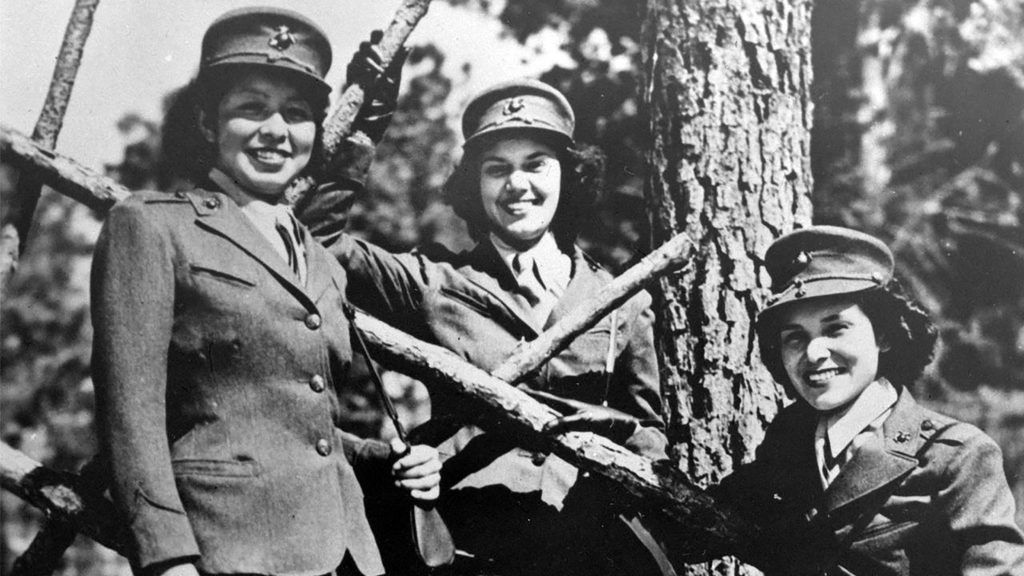
On this U.S. observance of Veterans Day, I salute my daughter, Jocelyn Cheryl Kimbrough, and more than one hundred members of my expansive family that includes Indigenous/Native Americans, African Diaspora, Free Blacks and Caucasians. I am paying special homage to the mostly unknown and infrequently publicized soldiers.
They are the Black men — and in many cases Black women — who served in every war and military conflict in United States history, from the colonial era to the present. Their roles evolved over time due to laws, segregation, discrimination, and later integration and leadership advancements.
Here’s a compilation of their service that was completed with the help of Ai:
War / Conflict
Black Participation
Colonial Wars (1600s–1775)
Enslaved & free Africans fought in local militias and against Native nations under European colonial powers.
American Revolutionary War (1775–1783)
Yes — Continental Army & Navy, Rhode Island “Black Regiment,” others; both free and enslaved men fought.
War of 1812
Yes — Black seamen, soldiers, militias; Battle of New Orleans saw large Black units.
Seminole Wars (1817–1858)
Yes — Black soldiers & Black Seminoles, some former enslaved people.
Mexican–American War (1846–1848)
Yes — Black regular army soldiers & volunteers (limited roles).
Civil War (1861–1865)
Union: ~180,000 served in the U.S. Colored Troops (USCT); ~18,000 in Navy.
Confederacy: Mostly forced labor; very few armed at the war’s end.
These men served in the regiment later known as the Harlem Hellfighters, redesignated in 1918 after originally enlisting under the 15th New York National Guard (Colored). Due to segregation and discriminatory military policy, the regiment fought under French command. Nevertheless, they earned one of the most outstanding combat records in American history. Their accomplishments were:
191 consecutive days in combat
No men captured
No ground lost
First Allied unit to cross the Rhine
Many soldiers were awarded the French Croix de Guerre.
Tips for families searching for their ancestors
Indigenous/Native Americans have the highest military rate of service per capita. Blacks — whether African Diasporan or Free — have an equal outstanding record of service in U.S. military. These facts should give family researchers of their ancestors even more incentives to locate the heroes who served mostly unnoticed and often ill-treated.
As examples on how to describe military veterans’ service, I have featured the Harlem Hellfighters:
1. Sgt. Daniel W. Storms, Jr.
Storms enlisted on May 8, 1917, later earning the rank of sergeant and the Croix de Guerre. Born in Stamford, Connecticut, he worked as a hostler and janitor before and after the war. He died in 1922 and is buried in Woodland Cemetery.
Originally mis-captioned as “Hanley,” Alfred Manley was born in Powhatan, Virginia in 1895. He enlisted in Company B in July 1917 and sailed aboard the Pocahontas. He died in 1933 and is buried at Fairmount Cemetery in Newark.
5. Pvt. Ralph Ernest Hawkins (“Kid Hawk”)
Hawkins was awarded an individual Croix de Guerrewith bronze star. Born in New Jersey, he enlisted at 19 and served in Company C. Postwar records show WPA employment and family life in Philadelphia. He died in 1951.
Because many soldiers shared this name, the most likely match is Joseph Williams of Savannah, Georgia—slightly wounded in November 1918 while serving in Company C. More records would clarify his full biography.
A century after the Great War, the lives of these nine men demonstrate bravery, sacrifice, and unwavering patriotic resolve. Their stories—preserved through archival photographs, military files, census data, and cemetery records—continue to illuminate African American contributions in World War I and the complexities of Black military history.
*The reference in the title is from a poster in 1918
Selected Sources for further research:
Lists of Incoming Passengers, 1917-1938. NAID: 6234465. Records of the Office of the Quartermaster General, 1774-1985, Record Group 92. The National Archives at College Park, Maryland.
Lists of Outgoing Passengers, 1917-1938. NAID: 6234477. RG 92. The National Archives at College Park, Maryland.
Draft Registration Cards, 1917-1918. Records of the Selective Service System, RG 163. National Archives and Records Administration, Washington, D.C. M1509
Fourth Registration Draft Cards. Records of the Selective Service System, RG 147. National Archives and Records Administration, Washington, D.C.
Various Census Records. Records of the Bureau of the Census, RG 29. National Archives, Washington, D.C.
New York Guard Service Cards and Enlistment Records, 1906–1918, 1940–1948. Series B2000. Microfilm, 61 reels. New York State, Division of Military and Naval Affairs. New York State Archives, Albany, NY.
New York State National Guard, National Guard Enlistment Cards, 1923–1940. New York State Military Museum and Veterans Research Center, Saratoga Springs, NY.
Abstracts of National Guard Service in World War I, 1917–1919. New York State Adjutant General’s Office. Series 13721. New York State Archives, Albany, NY.
15th New York National Guard Enlistment Records. New York Heritage Digital Collections.
U.S. Department of Veterans Affairs. Beneficiary Identification Records Locator Subsystem Death File.
U.S. Department of Veterans Affairs. National Cemetery Administration, Nationwide Gravesite Locator
U.S. Social Security Administration. Social Security Death Index, Master File.



 Sometimes our ancestry searches yield updated and unexpected and even more mysterious results. Just last week, I was checking out a great uncle who I thought was named Harvey Robinson or Wilks. His draft card says differently. The one factor that I got right — and so did my fellow family ancestry researchers — is that my maternal great-grandmother, Edna Robinson, was his mother. Research upshot: Keep reviewing existing records!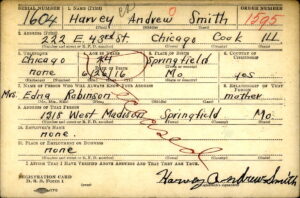








 While many of us are preparing “feasts” in honor of the U.S. Thanksgiving Day, many Native American communities will observe National Day of Mourning. On the same day as the U.S. Thanksgiving holiday, the protest is in recognition of the ongoing consequences of colonization, land dispossession, and cultural erasure.