Category: Genealogy Group forms at Hillside International Truth Center
Hillside International Truth Center kicks off its Ancestral and Genealogical Research ministry. It is hosted by Good Genes Genealogy Services’ co-founder, Dr. Ann Lineve Wead Kimbrough
Good Genes Genealogy Services’ first e-book describes August 1st and Juneteenth as Black Holidays
Our first e-book about African American historical and ancestry achievements, is highlighted with lively research about Juneteenth and August First. In honor of this year’s celebration of the nation’s official holiday, Juneteenth, pick up a copy from your favorite online store.
“The people of Texas are informed that in accordance with a Proclamation from the Executive of the United States, all slaves are free. This involves an absolute equality of rights and rights of property between former masters and slaves, and the connection therefore existing between them becomes that between employer and hired laborer.” – U.S. Brigadier General Gordon Granger, Galveston, Texas, June 19, 1865
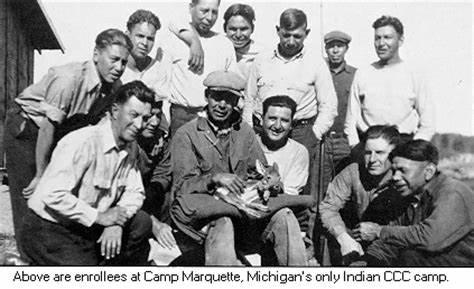
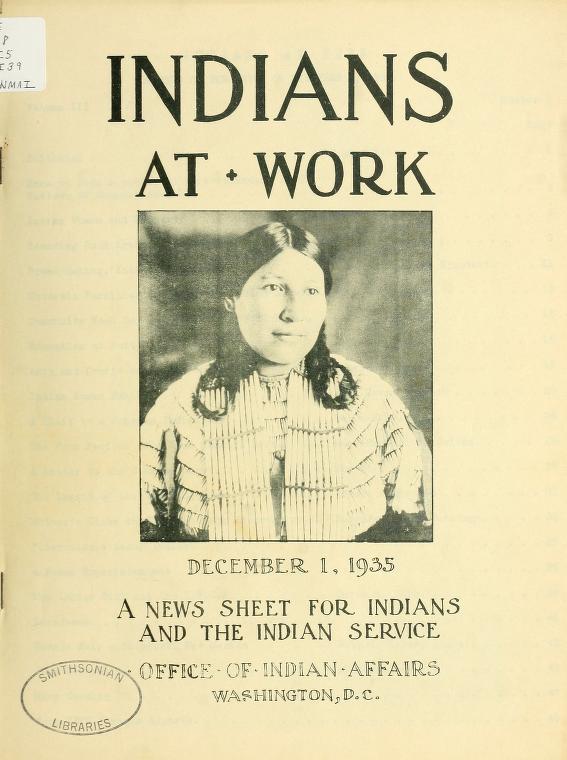
For genealogists researching their Native American heritage, the records kept by the CCC-ID are tough to assemble because the tribes/nations of Native American were responsible for the record-keeping. The quarterly reports to the federal government were also supplemented by publications such as the one shown above in this post. Those are the most informative pieces of information that will greatly aid in the ancestral searches involving Native Americans.
If there is any doubt that genealogy/ancestry research is capturing the world’s attention, especially, take a look at the latest data collection regarding consumer-requested testing for DNA. The global, direct-to-consumer (DTC) lab testing market is projected to reach $7.92 billion by 2030, growing at an annual rate of 10.9 percent, according to ResearchandMarketing.com.
In 2023, the ancestry/genealogy segment is expected to account for the largest share of the global direct-to-consumer genetic testing market. Factors such as increased consumer interest & curiosity regarding ancestry, technological advancements to make genetic testing accessible, strong advertising & marketing by the companies, high racial diversity and interracial mix in some countries, and the advantages such as convenience & accessibility are driving the growth of this segment.
DNA testing is a powerful method for verifying family documents. It can help confirm or refute relationships between family members and verify family documents such as birth certificates, marriage certificates, or adoption papers.
For example, if a birth certificate claims two people are siblings, a DNA test can help confirm this. The DNA test can also show clear relationships between other relatives such as great-aunts, uncles, cousins, and great-great-grandparents.
In the words of our family’s maternal matriarch, the late Lou Edna Wilks Robinson, “every day is Mother’s Day.”
Born in 1892 as the oldest daughter born in Springfield, Greene County, Missouri, to Melissa Catherine Gray and Robert Wilkes, our “Grandma Robinson” was the glue that kept our family together.
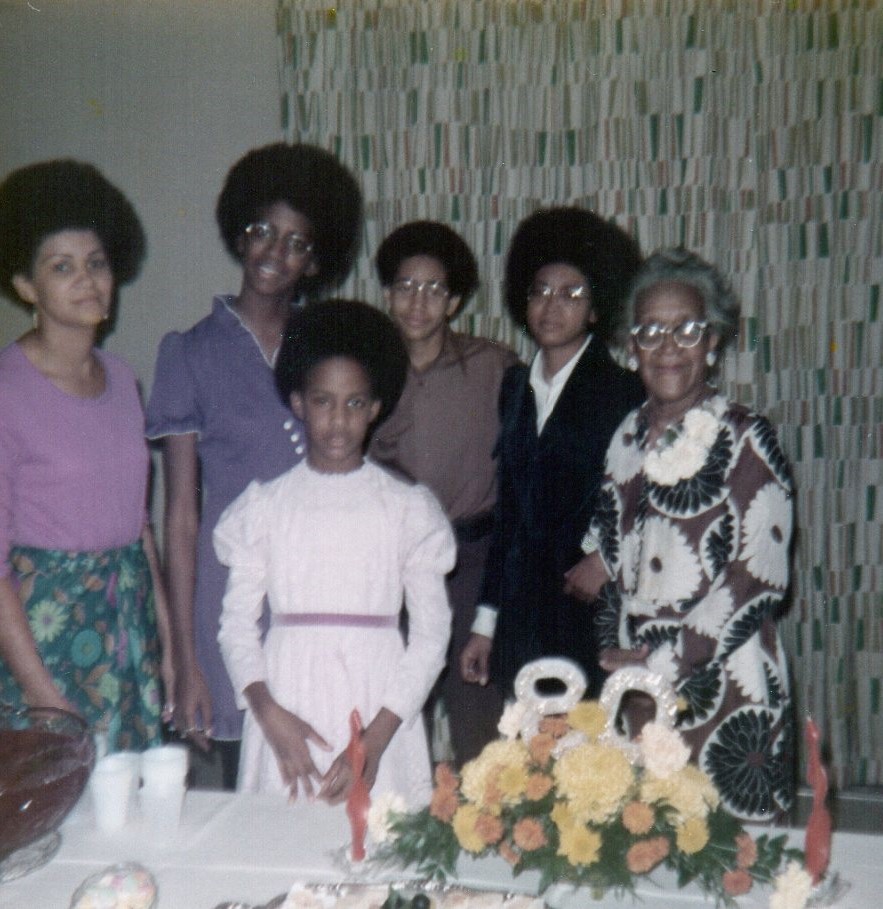
Great-Grandmother Lou Edna Robinson, right, with her granddaughter, Angeline Wead, left. The Wead children fill out the picture.
We’ve often wondered how our ancestral mothers were able to accomplish so much in their lives. Except for Grandma Robinson’s birth to two children, including our maternal grandmother, Mary Helen Wilks Owen Douthy, most mothers ‘in her day’ bore several children. Midwives brought babies, especially those of African American heritage, into this world. Indoor plumbing was nonexistent for our ancestral mothers. They grew food, drew well from waters, cooked, cleaned and managed the households. They raised other people’s children, they were our teachers, loyal church members and builders of great legacies admist the harsh societal conditions that often pushed our ancestral mothers to the least known positions.
Yet, our ancestral mothers rarely complained about their fates. Instead, they often rejoiced about the present and future that always included the achievements — known and unknown — of their children and lineage.
We honor you, ancestral mothers.
Official start of Mother’s Day in the USA
In 1914, a few years before the birth of our maternal Grandmother Mary Helen, the nation received an official declaration from U.S. President Woodrow Wilson, to honor mothers on the second Sunday in May. The recognition began simple enough: To honor mothers in celebration of peace.
These clubs later became a unifying force in a region of the country still divided over the Civil War. In 1868 Jarvis organized “Mothers’ Friendship Day,” at which mothers gathered with former Union and Confederate soldiers to promote reconciliation.
Another precursor to Mother’s Day came from the abolitionist and suffragette Julia Ward Howe. In 1870 Howe wrote the “Mother’s Day Proclamation,” a call to action that asked mothers to unite in promoting world peace. In 1873 Howe campaigned for a “Mother’s Peace Day” to be celebrated every June 2.
Other early Mother’s Day pioneers include Juliet Calhoun Blakely, a temperance activist who inspired a local Mother’s Day in Albion, Michigan, in the 1870s. The duo of Mary Towles Sasseen and Frank Hering, meanwhile, both worked to organize a Mothers’ Day in the late 19th and early 20th centuries. Some have even called Hering “the father of Mothers’ Day.”
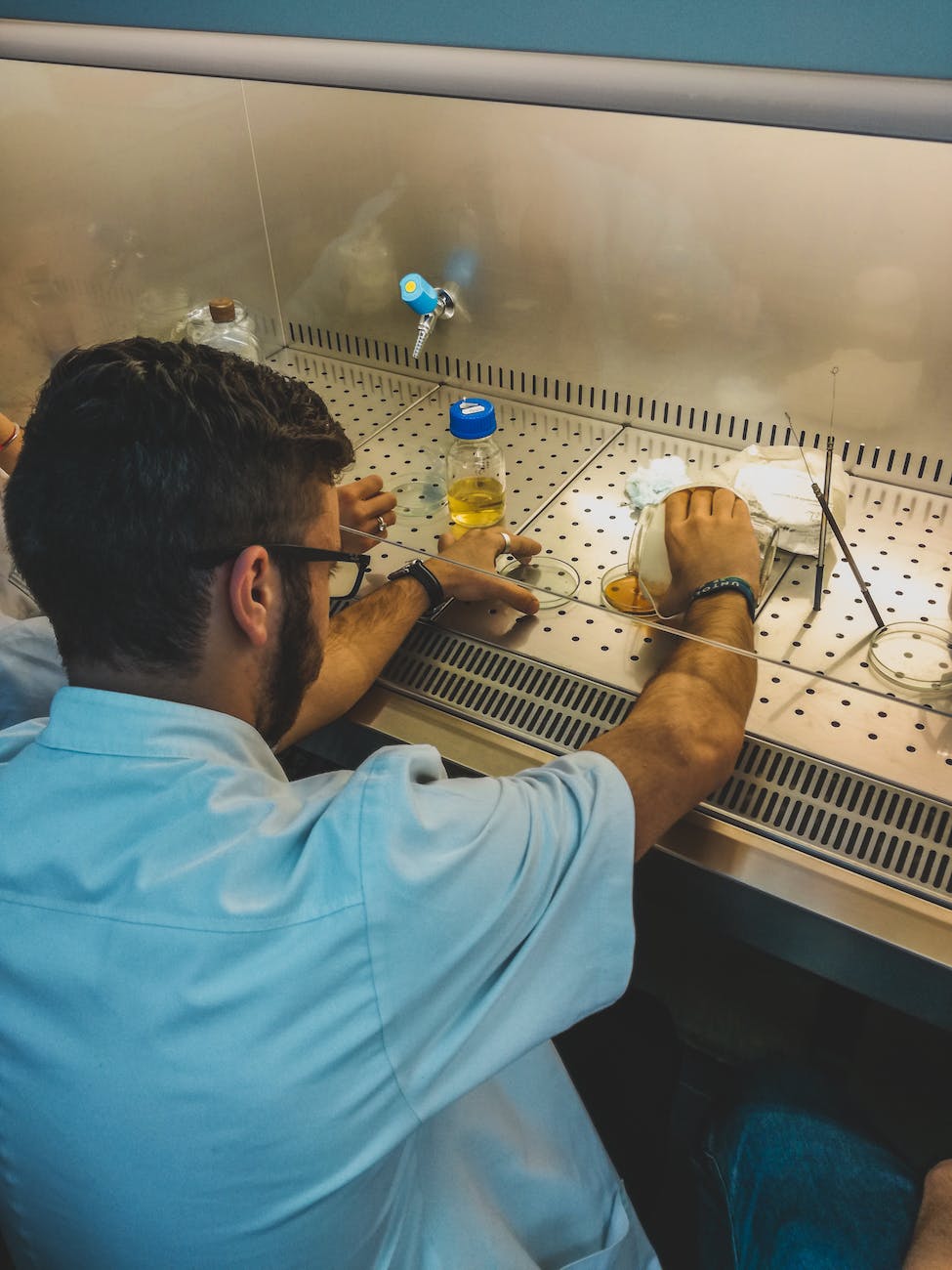
Genealogists often refer to DNA as putting the “gene” back in genealogy. The Good Genes Genealogy team (Maternal first cousins Mark Owen and Ann Wead Kimbrough) is DNA tested. We are not scientists who can provide you with the details on how the genetic makeup is key to breaking through brick walls and other delays in tracking our family histories. Yet, we’ve utilized DNA in our processes that have helped to build about family members.
Today and this week, we invite you to learn about DNA and its applications to genealogy searches. There are countless free workshops and other sources of information. As you get inside of the virtual and in-person sessions, remember a few key things about the DNA journey:
DNA – when used properly … provides tracts to direct-line ancestors and lots of cousins of many levels.
When DNA results are received, note that all of the extra cousins you inherit from the DNA results are not necessarily DNA tested.
Here’s a partial listing of activities, workshops and more:
FamilySearch is having a full day of free programs (which are usually all made available for viewing later as well on their website). See our calendar devoted to DNA events at https://conferencekeeper.org/dna/
The National Genome Research Institute also recommends several cool events in this STEAM- (Science, Technology, Engineering, Arts, Math) themed day.
American Society of Human Genetics’ DNA Day Essay Contest for High School Students. Read selections from winning essays in which students explain what the American Society of Human Genetics’ 75th anniversary theme, “One Humanity, Many Genomes,” means to them. Essays include examples of what makes our genomes unique and the impact of advances in understanding our genomes.
Genetics Engagement & Education Network. Search this American Society of Human Genetics network to find genetics experts near you who can answer your genetics-related questions. The Genetics Engagement & Education Network Toolkit is geared toward scientists planning to present at schools, but teachers and parents might also find helpful resources. The toolkit includes lessons, games, case studies, direct-to-consumer kit information, and helpful tips on presenting at schools.
Midwife in 1941 prepping for her next visit. Delano, Jack, 1914-1997, photographer
About 80 miles southeast of Atlanta, Georgia, lies Greene County. In Greene County, Georgia as it was in Greene County, Missouri, and across the nation, Black women midwives were and still are highly regarded.
It was widely proved that midwives saved lives — babies and their mothers. They birthed presidents, preachers, teachers and several family members who will attest to their value in caring for mothers in many communities where healthcare facilities were miles away or nonexistent.
The worth of midwives is especially highlighted in recent data that was shored up with the release of 2021 data by the Centers for Disease Control and Prevention (CDC) that showed a sharp increase in infant mortality, especially among African American women. A century ago, the infant mortality rates were much more severe, yet midwives were credited in successfully bringing babies into the world and saving their mothers. Even slave owners knew this truth.
A study published by the National Library of Medicine found:
We estimated that, relative to current coverage, a substantial increase in coverage of midwife-delivered interventions could avert 41% of maternal deaths, 39% of neonatal deaths, and 26% of stillbirths, equating to 2·2 million deaths averted per year by 2035. Even a modest increase in coverage of midwife-delivered interventions could avert 22% of maternal deaths, 23% of neonatal deaths, and 14% of stillbirths, equating to 1·3 million deaths averted per year by 2035.
Nove A, Friberg IK, de Bernis L, McConville F, Moran AC, Najjemba M, Ten Hoope-Bender P, Tracy S, Homer CSE. Potential impact of midwives in preventing and reducing maternal and neonatal mortality and stillbirths: a Lives Saved Tool modelling study. Lancet Glob Health. 2021 Jan;9(1):e24-e32. doi: 10.1016/S2214-109X(20)30397-1. Epub 2020 Dec 1. PMID: 33275948; PMCID: PMC7758876.
Midwives Matter
Early African American midwives were important members of their community, even among enslaved individuals. Slave owners used these medical practitioners to ensure the health of their reproducing enslaved women and their newborn infants to expand their labor force. It was also common for midwives to attend to the slave master’s wives during birth as well.
This midwife account describes the importance of recognizing Black midwives for their contributions to societal good: “… the story of a poor white boy delivered by a black midwife slave that grew up to be the president that freed 3.5 million black slaves in the United States, and was killed for doing so.” — From The Midwife Slave
“Aunt” Sally of Gees Bend, Alabama in 1939. She was the only doctor that anyone around the area ever knew. Wolcott, Marion Post, 1910-1990, photographer
What ancestral researchers should consider
There are documentaries, articles, scholarly works and stories within families about the importance and legacy of midwives.
All births — whether at home or in hospitals — are recorded in each municipality’s Vital Records Division. The attending midwife, parents and/or physician are allowed to sign the paperwork.
Time frames are usually required to register births. If the time frames are not adhered to, or should errors appear on birth certificates based on sources authorized to make the changes, the municipalities are allowed to issue delayed birth certificates.
Because midwives have more than records to report, their stories are important to learning more about families’ ancestors. Some midwives kept journals, shared birth stories with family members and were the keepers of intimate secrets, the midwives are great sources for breaking down brick walls.
One of the benefits of researching our ancestors is the “find.” In this case, find is pure gold through the super talented siblings who set the human “beat box” standards. They are the Mills Brothers.
While combing through the online ancestry files of the Good Genes Genealogy Services’ grandfather, Eugene Owen, Jr., this remembrance was round. Our grandfather left Omaha, Nebraska for Los Angeles, Calif. to pursue his dream of becoming a Mills Brother-like entertainer. It was the 1940s and he left a family behind in Omaha, including little girls who would grow up and become our mothers of Good Genes Genealogy Services team members.
Our grandfather’s goal was to form a singing group become as popular as the Mills Brothers, a musical team of siblings whose 40+ years of success began in the 1930s. Our grandfather never achieved the same fame. He likely broke the hearts of our grandmother, “Mama” Helen Wilkes Owen Douthy, and her children and other family members. There are joys and pains in researching our families’ histories and this is an example of wading through all of the materials to get to the truth.
Yet, each time we hear the Mills Brothers’ recordings and watch the more than 20 movies that they appeared in during their stellar career, we think of Grandpa Owen.