Look at this… 👀 https://pin.it/3SRiuNj
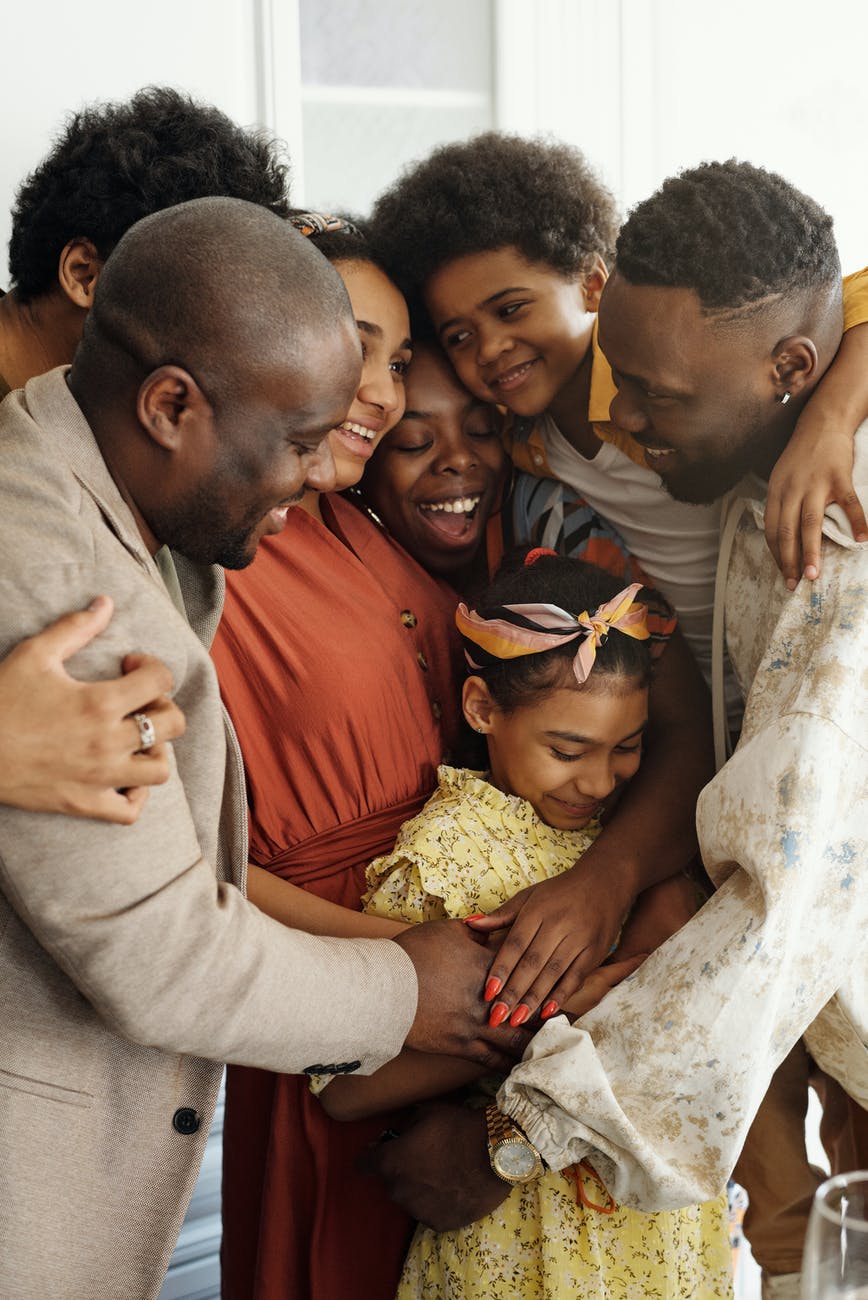
By planes, trains and automobiles, an estimated 54 million U.S. travelers made it families and friends this 2021 Thanksgiving season. Those numbers are nearly equal to pre-Covid 2019 levels, according to AAA, air, train and government travel trackers.
If so, don’t spend all of your time around the table of good food, or shopping until you drop. Instead, start now to preserve your precious history by recording short and even long stories of your loved ones.
As a nearly lifelong writer (Ann) who began journaling at age 10, I learned the importance of being a good listener who captured cool stories from the annual family gatherings. Those early lessons served me well as I became an award-winning financial journalist who found that my interview skills came in handy when I became more interested in African American family genealogy.
Admittedly, it is not easy getting our family members to open up about their past. However, I have found that to get meaningful conversations started, flattery gets you everywhere. Here are my quick tips on how to glean information from your loved ones:
For more ideas on how to speak with your relatives to capture their stories, check out this great freebie checklist from Genealogy Bargains.
Happy chatting!

The Frazine K. Taylor African American Research Scholarship (application due 1 March each year) was established on 7 June 2018 by Deborah A. Abbott, PhD, in honor of Frazine K. Taylor upon her retirement as coordinator of the “Researching African American Ancestors” course at the Institute of Genealogy and Historical Research. This scholarship for IGHR tuition is open to anyone committed to expanding their knowledge of African American genealogical research. Taylor proposed and organized the first biennial African American course at IGHR in 2004.
Frazine K. Taylor is a former Peace Corps volunteer and administrator who served in the Fiji Islands and traveled extensively in the South Pacific before earning her Master of Information Studies degree from Atlanta University. She has over twenty years’ experience as a librarian, archivist, lecturer, and writer and has received numerous awards during her career including Employee of the Year from the Alabama State Employee Association. She is the former Head of Reference for the Alabama Department of Archives and History (ADAH) and was an expert on Alabama records at ADAH. She is also the author of Researching African American Genealogy in Alabama: A Resource Guide published in 2008.
For IGHR 2022, this scholarship is limited to individuals who are interested in enrolling in Course 11 – Researching African American Ancestors: Courthouse Records. The scholarship will be awarded to the applicant who demonstrates a passion for African American genealogy and the ability to communicate that commitment in writing. This scholarship covers tuition only.
Applications are due by 1 March. The winner will be notified no later than 15 May. Please include the following in your application:
Applications should be submitted via email to Deborah Abbott dbrhabbott@yahoo.com by 1 March and the subject line should read Taylor Scholarship.

https://finance.yahoo.com/news/genealogists-volunteer-research-african-american-133400056.html
An excerpt from our November 2021 e-book
Welcome to the fourth in a series of our e-books that highlight the unique genealogy of African Americans. Do you know how many of your ancestors were in the military? We didn’t realize until the documents were released a few years ago that revealed our African American male ancestors who served in various military assignments. Come walk with us and learn how you can find your hidden ancestors who served bravely battled in conflicts, served, and supported white male regiments to earn victories for the United States.
Turning to other conflicts, did you know that despite the numerous reports to the contrary, former African American slaves cared so deeply about their families remaining together that our ancestors searched for decades to find those separated from them? The horrific sales of individual slaves on blocks where husbands and wives, sisters and brothers and other relatives saw each other for the last time. That is until former slaves began to place editorials and advertisements in newspapers across the nation. Thankfully, there are published accounts of slave family reunion stories found in the more than 3,500 Black newspapers. To our delight, and we are sure it will be the same for you, there are tremendous love stories that emerge from the rubble of lost couples in our research.
On the topic of love stories, learn about an elite man who courted and married a former slave. They were of different races, and their 13-year marriage yielded five children worth remembering more about. Educational, political, social, and governmental structures protected and exposed the interracial couple’s life long after the husband’s death. It involves the measurement of one’s race based on the U.S. Census Bureau’s designations of one-quarter and one-eighth Black persons.
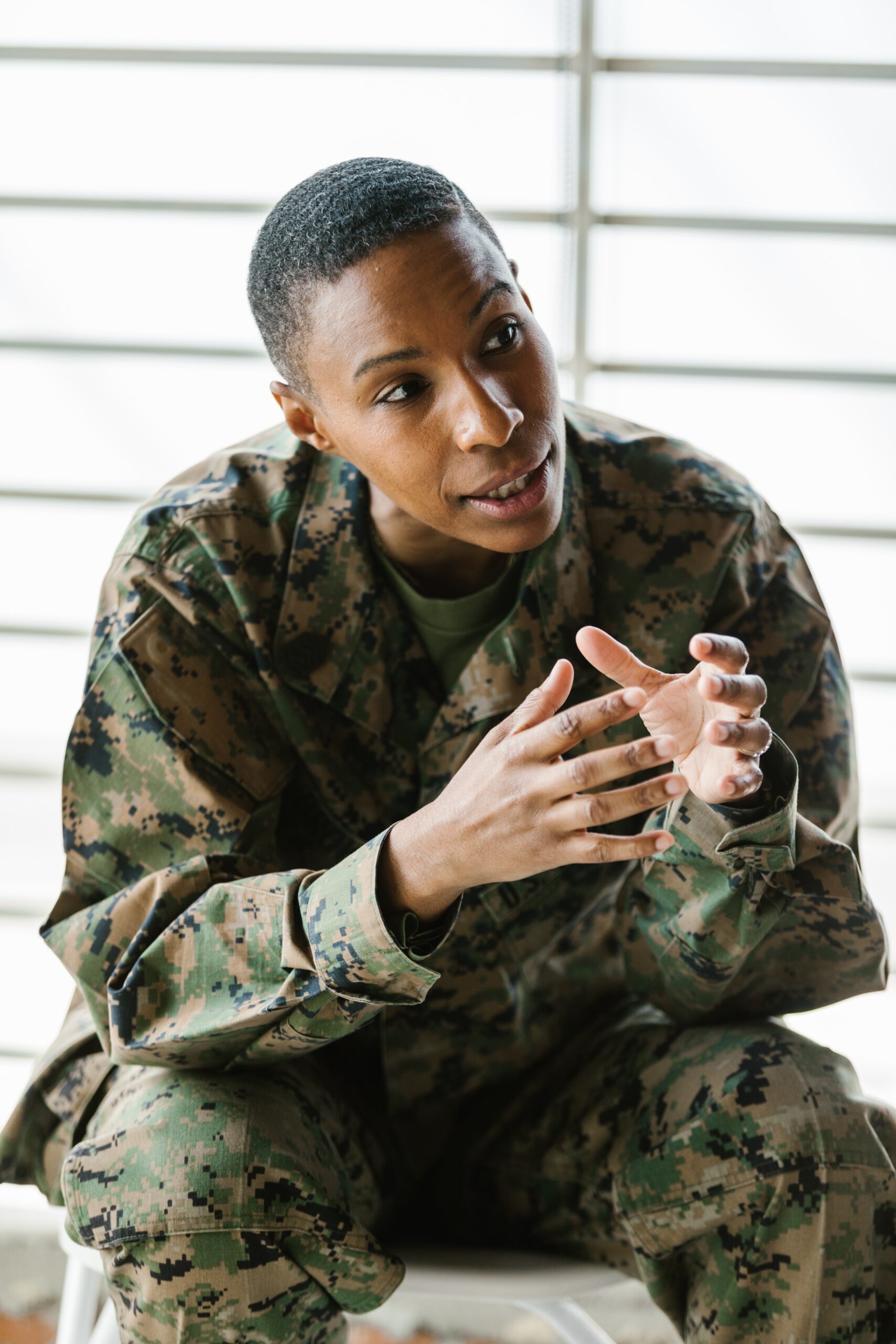
Each November, we celebrate our military veterans who fought world wars in the name of freedom from fascism, slavery, and more. When my (Ann’s) daughter, Jocelyn C. Kimbrough, announced to our family that she was trading her collegiate days for enlistment in the U.S. Army, we were surprised. She served with honors.
Yet, it was in her blood as of a few years later, we discovered in our ancestry research that many of our relatives served in U.S. military units. We are still clarifying records on potential relatives who may have served in conflicts ranging from the American Revolutionary War and the Civil War. Ancestry.com boasts of 760 thousand records about African Americans’ involvement in wars since the Revolutionary War. See African American – Fold3.
This chapter will highlight our great maternal uncles – the Wilks, Wilkes brothers — and their varied military service assignments to guide our reader to sources that may provide similar results.
The U.S. Selective Service began ordering the registration of young men in 1917. It remains a primary source of documents, aka draft cards for ancestors since the “threat of unforeseen forces,” and remains part of the directive by Presidential and Congressional orders for men between the ages of 18 and 25. Who Needs to Register | Selective Service System: Selective Service System (sss.gov). However, it is clear that the ages of men signing up for the draft were well over age 25, as shown on the draft card of my Great Uncle Earnest Wilks. His younger brother, Alvin Wilks, was 27 years old when he enlisted in military service in 1941.
He led an exciting life and retired from the military in Hawaii, where he was a community leader, and musician. Let’s begin with draft cards to learn more about your ancestors’ whereabouts.